The right grit for a weld depends on two things: how much bead you need to take off, and what the joint has to look like when you’re done. The right shape depends on the joint — butt welds and fillet welds want different discs. Get both right and you grind, blend, and finish with two discs instead of four.
Key Takeaways
- 40 grit knocks down beads. Tall MIG, stick, and flux-core welds start here. 36 grit if it’s a big bead on flat plate.
- 60 grit does it in one disc. Low-profile welds can be taken down and blended in a single pass.
- 80 grit is the primer-ready finish. 120 grit only when the part goes to paint or powder coat.
- Butt welds: Type 27. Fillet welds: Type 29. Flat disc for flush work on plate, conical disc to reach into the corner.
- One grit step at a time. 40 straight to 120 leaves scratches that show through paint.
Weld Grinding Sequence by Job
| Weld / Goal | Grit Sequence | Shape | SuperGrindz Discs |
|---|---|---|---|
| Tall bead on a butt weld, ground flush, painted | 40 → 80 → 120 | T29 to knock down, T27 to finish | 40 T29 → 80 T27 → 120 T27 |
| Large butt weld on flat plate, flush for structural primer | 36 → 60 → 80 | Type 27 | 36 T27 → 60 T27 → 80 T27 |
| Fillet weld blended into an inside corner | 60 → 80 | Type 29 | 60 T29 → 80 T29 |
| Heavy fillet weld, knocked down and blended | 40 → 80 | Type 29 | 40 T29 → 80 T29 |
| Low-profile weld, one-disc blend | 60 | Type 29 | 60 T29 |
| Thin sheet / auto body welds | 80 → 120 | Type 27 | 80 T27 → 120 T27 |
| Weld prep: mill scale removal, edge bevel before welding | 40 | T29 for bevels, T27 for faces | 40 T29 / 40 T27 |
| Stainless welds | 40/60 → 80 | Either | Dedicated contaminant-free discs only — see abrasives by metal type |
What Each Grit Does to a Weld
36–40 Grit: Knocking Down the Bead
Coarse grit is for removing the crown of the weld fast: tall MIG beads, stick and flux-core welds, multi-pass caps, and weld prep like taking mill scale off a joint or touching up a bevel. A 40 grit Type 29 is the standard weld-knockdown disc. On big butt welds across flat plate, the 36 grit Type 27 and 40 grit Type 27 keep the full disc face on the work so you don’t dig a trench next to the weld.
Stop coarse grinding just above flush. The last few thousandths come off with the next grit, not this one.
60 Grit: Knock Down and Blend in One Disc
60 grit is aggressive enough to take a modest bead down and fine enough to blend it into the parent metal in the same pass. For low-profile MIG welds, fillet welds that just need softening, and maintenance repairs that will be primed and painted with a brush, the 60 grit Type 29 is often the only disc you need. The 60 grit Type 27 is the intermediate step between 36 and 80 on large flat welds.
80 Grit: Blended and Primer-Ready
80 grit erases the deeper 36–60 grit scratches and leaves a uniform surface that structural primer covers cleanly. Use the 80 grit Type 29 to finish fillets and the 80 grit Type 27 to finish butt welds on plate. On thin sheet, 80 is also the starting grit: it removes enough to flush a sheet-metal weld without building the heat that warps panels.
120 Grit: Paint and Powder Coat Finish
Grind marks telegraph through gloss paint and powder coat. The 120 grit Type 27 refines the 80 grit scratch so the weld disappears under the finish. It removes almost no material — if you can still see the weld outline at 120, go back to 80.
40 → 120 looks smooth until the paint goes on and every 40 grit scratch shows. Go 40 → 80 → 120, or 36 → 60 → 80 → 120 on large flat welds. Each grit only needs to remove the previous grit’s scratch.
Type 27 vs Type 29 for Welding
The weld joint picks the disc shape. A flat disc on a fillet weld can’t reach the root without digging into one leg. A conical disc on a wide butt weld across flat plate concentrates pressure on its edge and leaves a dished surface.
- Butt welds and flat work: Type 27. Hold it at 0–15°. The full face spreads the cut across the weld and the plate on either side, so you take the crown down flush without trenching.
- Fillet welds, corners, and edges: Type 29. Hold it at 15–25°. The conical profile gets into the inside corner and concentrates pressure for faster knockdown on heavy beads.
- Mixed jobs: Knock down with a Type 29, finish with a Type 27. That’s the first row of the sequence table above.
For the full shape breakdown beyond welding — contact area, disc life, and grain choice per shape — see Flap Discs: Type 27 vs Type 29, Zirconia vs Ceramic, and Grit Sequencing.
Weld Grinding Technique
- Grind across or diagonal to the weld, not just along it. Running only along the bead tends to cut troughs on either side of it.
- Watch the parent metal. Once the weld is flush, every pass removes base material. Check with a straightedge instead of grinding until it “looks done.”
- Don’t undercut fillets. Keep the Type 29 moving through the corner. Dwelling at the toe of the weld thins the joint where it carries load.
- Manage heat on thin stock. Short passes, let it cool, keep the disc moving. Heat warps sheet metal and blues stainless.
- Steady, moderate pressure. Zirconia needs pressure to keep cutting; too light and it glazes, too heavy and it gouges.
SuperGrindz discs use a trimmable backing. When the flaps wear down on a long weld job, trim the outer edge of the backing to expose fresh abrasive instead of retiring a disc with life left in it.
Cut rate drops and the weld is getting hotter, not lower? The disc is glazed or spent. Pushing harder cooks the joint. Trim the backing or swap discs.
Grain for Weld Grinding
Zirconia is the default for grinding welds on carbon and structural steel: it self-sharpens under pressure and holds its cut rate through a long weld run. Every SuperGrindz disc below is high-density zirconia. Ceramic earns its premium on hard alloys and heat-sensitive stainless; aluminum oxide is fine for occasional light cleanup on mild steel. The full cost-per-job comparison is in Ceramic vs. Zirconia vs. Aluminum Oxide: Which Grain Actually Pays Off.
Stainless Welds
Use discs rated contaminant-free (iron, sulfur, and chlorine combined below 0.1%, often marked INOX) and keep them dedicated to stainless. A disc that has touched carbon steel will embed particles that rust later. Keep pressure light to limit heat tint, and plan for tint removal after grinding.
When a Flap Disc Isn’t the Right Tool
A grinding wheel removes a massive weld faster but leaves gouges that need a flap disc anyway. A fiber disc levels large structural welds quickly but runs hot on thin stock. A wire wheel cleans slag and spatter; it doesn’t take a weld down. For most welds headed to primer or paint, a flap disc finishes the job in fewer steps.
Mounting and Safety
- Disc max RPM must meet or exceed the grinder’s no-load speed.
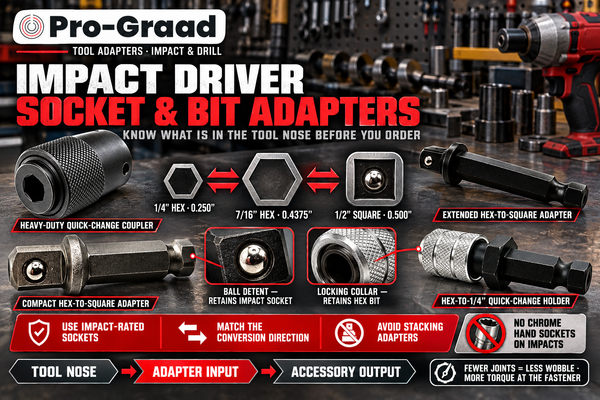
- Every SuperGrindz disc here uses a threaded 5/8″-11 hub for 4-1/2″ and 5″ grinders — spin on by hand, no flange or lock nut. Running a different spindle? See Angle Grinder Adapters: Run Any Accessory Off a 5/8-11 Spindle.
- Inspect before mounting. Cracked backing or loose flaps go in the scrap bin.
- Face shield over safety glasses, hearing protection, gloves, and respiratory protection — P100 when grinding stainless.
- Store discs dry. Moisture weakens the resin bond that holds the flaps.
SuperGrindz Zirconia Flap Discs for Weld Grinding
4-1/2″ high-density zirconia, threaded 5/8″-11 hub, trimmable backing, 10 per pack. Fits 4-1/2″ and 5″ angle grinders.
Type 29 Bevel // Fillets, Corners, Knockdown
Weld bead knockdown, heavy fillets, mill scale and bevel prep.
Knock down and blend a modest weld with one disc.
Final blend on fillet welds and inside corners.
Type 27 Flat // Butt Welds, Plate, Finishing
Fastest flush grinding on large butt welds across plate.
Bead knockdown on flat work and mill scale removal before welding.
Intermediate step between 36 and 80 on large flat welds.
Primer-ready butt welds; starting grit for thin sheet welds.
Makes the weld disappear under paint and powder coat.
Frequently Asked Questions
What grit flap disc is best for grinding welds?
40 grit to knock down a tall bead, 60 grit to knock down and blend a modest weld in one disc, 80 grit for a primer-ready finish, and 120 grit when the part goes to paint or powder coat. Large butt welds on plate can start at 36 grit.
Should I use a Type 27 or Type 29 flap disc for welding?
Type 29 for fillet welds, inside corners, edges, and fast bead knockdown, held at 15 to 25 degrees. Type 27 for butt welds and flat plate where you need the weld flush without trenching, held at 0 to 15 degrees. Many jobs use a Type 29 to knock down and a Type 27 to finish.
Can I go straight from 40 grit to 120 grit on a weld?
No. 120 grit can’t remove 40 grit scratches efficiently, and they show through paint. Go 40 to 80 to 120, or 36 to 60 to 80 to 120 on large flat welds.
What grit flap disc should I use on sheet metal welds?
Start at 80 grit on a Type 27 and finish at 120. Coarser grits remove too much too fast on thin panels and build heat that causes warping. Use short passes and let the panel cool.
How do I grind a fillet weld without undercutting it?
Use a Type 29 at 15 to 25 degrees, keep the disc moving through the corner, and don’t dwell at the toe of the weld. Knock down with 40 or 60 grit, finish with 80, and stop once the weld blends into both legs.