Sandpaper vs Steel Wool: Which Cleans Better?
Grab an abrasive off the hardware store shelf and you face a deceptively simple question: sandpaper or steel wool? Both scratch, both smooth, and both clean, but they do those jobs in fundamentally different ways, and using the wrong one can ruin a finish, stain a surface, or create a fire hazard in your workshop. The global abrasives market was valued at $41.0 billion in 2025, which tells you just how many people are wrestling with this exact decision across woodworking, metalwork, and home improvement every single day.
The answer changes depending on what surface you are working on, what finish you are using, and what you want to achieve. In my experience, most beginners reach for whichever abrasive is nearest, which leads to rusted finishes, uneven surfaces, and wasted effort. This guide cuts through the confusion and gives you a clear decision framework.
Key Takeaways
- Sandpaper wins for flat surfaces and water-based finishes: Sandpaper is compatible with both water-based and oil-based finishes, while steel wool corrodes and leaves rust-staining particles when used with water-based products, make sandpaper your default for any project involving latex or water-based polyurethane.
- Steel wool wins for curves, contours, and final polishing: The main advantage of steel wool over sandpaper is that it can compress to almost any shape, making it much easier to use in hard-to-reach places and on complex shapes such as beveled edges or moldings. Use it where flat sandpaper simply cannot conform.
- Grade and grit selection are everything: Grit measures sandpaper's coarseness, a coarse grit wears down material more quickly but leaves deep scratches that often need to be removed by sanding with progressively finer grits. Match the grade to the task before you start.
- Steel wool is a fire risk that demands proper storage: Steel wool is considered flammable because its increased surface area allows more heat to be absorbed and more oxygen to contact the fuel, so fire starts much more easily. Store it sealed and away from sparks.
- For a flat, level surface, sandpaper is the clear choice: Steel wool can roughen a finish but cannot level it, if you want a smooth final surface, you should sand between coats rather than use steel wool.
Quick-Start Prioritization Framework
| Abrasive | Best For | Effort Level | Time to Results |
|---|---|---|---|
| Sandpaper (coarse, 60-80 grit) | Paint/rust stripping, raw wood shaping | Low | Minutes |
| Sandpaper (medium, 120-180 grit) | Surface smoothing, pre-paint prep | Low | Minutes |
| Sandpaper (fine, 220-400 grit) | Between-coat sanding, water-based finishes | Low-Med | Minutes |
| Steel wool (grade 1-3) | Heavy cleaning, paint stripping, rust removal | Med | Minutes-Hours |
| Steel wool (grade 000-0000) | Final polishing, oil-based finish buffing, contours | Med | Minutes |
| Pro-Graad abrasive range | Precision work across all surfaces, Best Overall | Low-Med | Immediate |
Start here if you're:
- A first-timer or DIY homeowner: Reach for sandpaper; it works with all finishes, does not rust, and gives you predictable, flat results.
- A woodworker buffing an oil-based final coat: Grade 0000 steel wool is your tool; it burnishes rather than scratches, building sheen rather than dullness.
- Working on complex moldings, curves, or carvings: Steel wool (grades 000-0000) conforms to shapes that sandpaper simply cannot reach.
- Tackling rust or heavy stripping on metal: Start with coarse sandpaper (80 grit), then finish with fine steel wool for a polished result.
What Each Abrasive Actually Does
How Sandpaper Works
Sandpaper is a coated abrasive, essentially abrasive grit such as aluminum oxide or silicon carbide bonded to a sturdy paper or cloth backing, and its strength lies in its predictable abrasion. Grit measures sandpaper's coarseness, determined by the size of the abrasive particles on its surface. The higher the number, the finer the cut.
Aluminum oxide sandpaper, with its superior hardness (Mohs 9.0), excels for aggressive material removal, power sanding, and hard surfaces like metal or hardwood, ideal for heavy-duty tasks where durability and reusability matter. In practice, this means it is your best all-purpose choice. For most wood projects, Grit measures sandpaper's recommends starting at 80 grit for rough preparation and progressing through finer grits to 220 or higher before applying a finish.
Pro Tip: Never skip more than one grit when working through a sequence. Jumping from 80 to 220 grit leaves deep scratches hidden under a smooth-looking surface that show through once finish is applied. Progress in steps: 80 → 120 → 180 → 220.
How Steel Wool Works
Steel wool is a bundle of very fine steel filaments formed into pads or rolls, used as an abrasive for cleaning, smoothing, and polishing surfaces such as wood, metal, glass, and stone; it comes in grades from coarse to extra fine, allowing tasks like removing paint and rust, rubbing out finishes, and scuff-sanding between coats.
The finer grades of steel wool have more of a burnishing action as opposed to the abrasion given by sandpaper. That distinction matters enormously. Burnishing compresses and polishes surface fibers; abrasion cuts them away. Steel wool at grade 0000 does the former, which is why it builds a sheen on oil-based varnish rather than dulling it. Extra-fine steel wool grades produce a fine, soft gloss that leaves old furniture as shiny as new.

Head-to-Head: Sandpaper vs Steel Wool on Key Tasks
Cleaning and Surface Preparation
For flat surfaces and broad cleaning jobs, sandpaper has a clear structural advantage. For flat surfaces and uniform abrasion, sandpaper is usually the champion; it provides a more controlled and consistent abrasion, making it ideal for sanding down a tabletop or preparing a wall for paint. Steel wool may ride over high spots and leave them untouched, while sandpaper backed by a flat sanding block removes them reliably.
Steel wool earns its place on cleaning tasks that require flexibility. The ability of steel wool to reach into small pits and irregularities makes it an efficient tool for surface restoration. For household cleaning tasks such as bathroom tiles, chrome fixtures, and glass, Family Handyman's steel wool grade guide recommends fine-grade steel wool (grade 0), which is "perfect for cleaning the bathroom" and well-suited for tiles, grout, and porcelain.
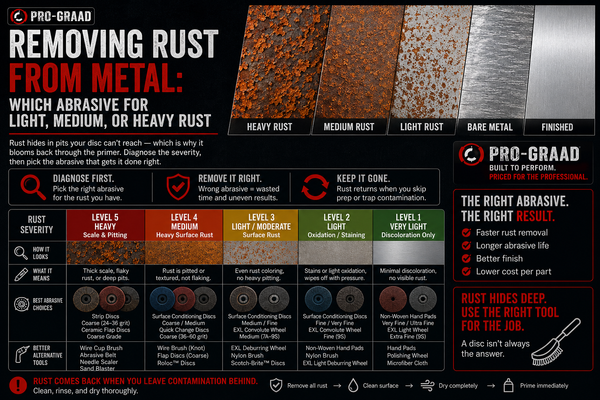
Rust Removal
Both tools tackle rust, but the approach differs. Sanding the surface with sandpaper or steel wool often does the trick as long as the rust is light, scrape first with a coarse-grit paper, making sure to remove all pockmarks before finishing with a finer grit to smooth out grooves. For heavy buildup, Red Label Abrasives' metal sanding guide advises beginning with 40-60 grit to remove rust or paint, then switching to medium grit (80-120) for smoothing, before finishing with 220+ grit for polishing.
Steel wool is a gentler abrasive and works well for lightly rusted tools or for final polishing after using coarser methods. One important caution: Red Label Abrasives' metal sanding guide warns to avoid steel wool on stainless steel, since it is usually made of carbon steel that will embed iron particles that eventually rust on the surface.
Pro Tip: After removing rust with either abrasive, apply primer within 24 hours. Bare metal exposed to air will begin re-oxidizing almost immediately, protect it quickly or you will be starting over.
Wood Finishing and Between-Coat Sanding
This is the comparison most woodworkers care about, and the answer comes down to your finish type. Steel wool is better used on oil-based finishes rather than water-based; it has the tendency to rust when wet, which makes it unsuitable for sanding water-based finishes. Sandpaper, by contrast, works equally well on both.
Sanding between coats allows you to remove finish imperfections, and sanding is most effective when you back it up with a sanding block. For anyone using water-based polyurethane, which is increasingly the most common choice for DIY refinishers, sandpaper is the only safe option between coats. The Woodworking Clarity guide on steel wool vs sandpaper grits notes that 0000 steel wool is roughly equivalent to 400-grit sandpaper in fineness, but provides a softer finish with less scratching, making it ideal for final-coat buffing on oil-based finishes.
Metal Polishing and Detailing
For polishing softer metals like aluminum or brass, the ultra-fine grade 0000 provides a smooth, shiny finish. Steel wool conforms to curves, gets into recessed lettering, and works around rivets where flat sandpaper would be impractical.
For stainless steel, the reverse applies. On stainless steel surfaces, steel wool will fray and leave behind tiny bits that rust, for stainless, use a synthetic scrub pad instead, and rub only in the direction of the grain, never across it. This is one of the most common and costly mistakes DIYers make when cleaning stainless appliances.
Pros and Cons: A Direct Comparison
Sandpaper
Pros:
- Works with water-based and oil-based finishes without compatibility issues
- Delivers flat, level surfaces when backed by a sanding block
- Wide grit range (24 to 1,000+) covers every task from stripping to polishing
- No rust risk from leftover particles
- Compatible with power sanders for large surface areas
- Ceramic and aluminum oxide versions are highly durable and self-sharpening
Cons:
- Rigid backing makes it difficult to reach complex shapes, moldings, and tight corners
- Clogs over time, especially when working resinous woods or thick finishes
- Scratches are directional and visible if you sand across the grain
- Less effective than steel wool for final burnishing and sheen-building on oil finishes
Steel Wool
Pros:
- Conforms to virtually any shape, curves, carvings, moldings, beveled edges
- Fine grades (000-0000) produce a burnished sheen rather than visible scratch marks
- Effective for light rust removal, particularly on irregularly shaped tools
- Useful for cleaning glass, chrome, and ceramic surfaces when used at correct grade
Cons:
- Unsuitable for water-based finishes, left particles cause rust staining
- Cannot level a surface the way backed sandpaper can
- Fire hazard when stored incorrectly or used near solvent-soaked rags
- Fine particles shed during use and require thorough cleaning before applying finish
- Not suitable for stainless steel, plaster, or surfaces where embedded fragments are a risk
Why Pro-Graad Sandpaper Is the Best Overall Choice
Editor's Pick, Best for Precision Work Across All Surfaces
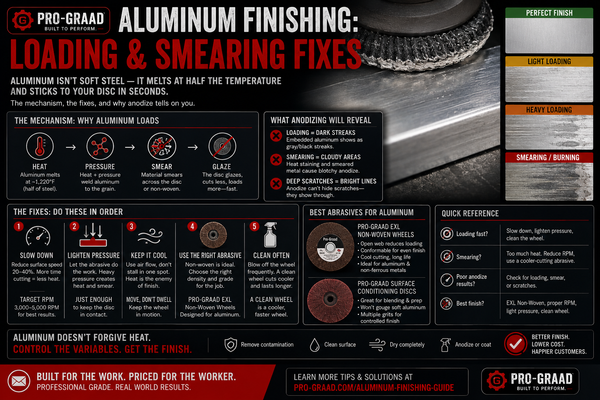
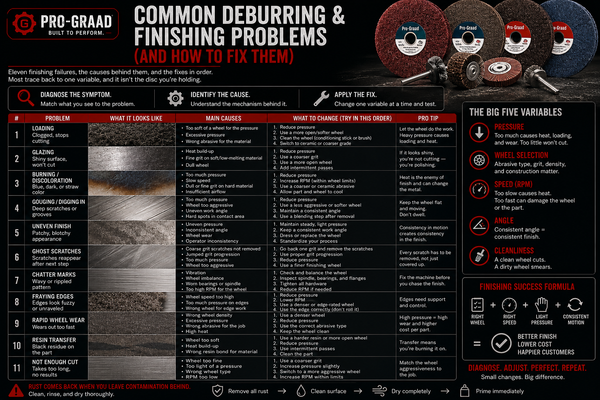
For most general audience users, sandpaper delivers broader versatility, safer use with modern finishes, and more predictable results than steel wool. That makes choosing the right sandpaper the single most important decision in any cleaning or finishing project. Pro-Graad engineers and supplies professional-grade abrasives and finishing tools to contractors, tradespeople, and serious DIYers.
What sets Pro-Graad's abrasive range apart is the combination of industrial-grade materials at prices designed for real-world budgets, including zirconia and aluminum oxide cartridge roll kits that work across metal, wood, stainless, fiberglass, and welds. I've found that having a consistent, reliable abrasive eliminates one of the most frustrating variables in surface prep: cheap sandpaper that clogs mid-project and leaves inconsistent scratch patterns.
Pro Tip: If you are unsure which abrasive to start with, choose aluminum oxide sandpaper in a multi-grit assortment. It is the most versatile substrate across wood, metal, and finishes, and it self-renews as particles break down, giving you more usable life per sheet.

Common Mistakes and How to Avoid Them
Using Steel Wool with Water-Based Finishes
This is the single most damaging mistake in DIY finishing. Steel wool will rust in water-based finishes, while sandpaper grit will not. The microscopic iron particles shed by steel wool get trapped in the finish film, react with moisture, and produce reddish-brown rust spots that appear weeks after you thought the project was finished. The fix is simple: if your finish is water-based, use 220-320 grit sandpaper between coats, full stop.
Skipping Grits in the Sequence
Various types of sandpaper materials cater to specific tasks and surfaces, and avoiding common mistakes such as skipping grits and oversanding is key to achieving the best results. Jumping from 80 grit to 220 grit leaves coarse scratch marks that finer grits struggle to remove. Work through the sequence progressively.
Improper Steel Wool Storage
During the production of steel wool, a slicing tool shaves fine threads of metal with a cool oil lubricant, which means the steel wool itself contains some oil, making it highly flammable and likely to spontaneously combust. According to Chubb's fire safety guidelines, you should never ball up, pile, or fold steel wool moistened with solvent-based materials, and used steel wool should be placed in a sealed metal container immediately after use.
Using the Wrong Grade on Glass or Chrome
Never use medium or coarse steel wool (grade 3 and above) on glass, mirrors, or polished surfaces, as they can cause permanent scratches. For glass cleaning with steel wool, grade 0000 is the only safe option, and even then, test in an inconspicuous area first.
Frequently Asked Questions
What is the equivalent of 0000 steel wool in sandpaper grit?
0000 steel wool is roughly equivalent to 400-grit sandpaper, both are used for fine polishing and smoothing surfaces, but 0000 steel wool provides a softer finish with less scratching, making it ideal for delicate wood and metal. If you need the same fine finish on a water-based project, stick with 400-grit wet-dry sandpaper rather than steel wool.
Can I use steel wool on stainless steel appliances?
No. On stainless steel surfaces, steel wool will fray and leave behind tiny bits that rust, making things worse, for stainless, use a synthetic scrub pad instead, and rub only in the direction of the grain. A microfiber cloth with a dedicated stainless steel cleaner is the safest approach for kitchen appliances.
Which abrasive should I use between coats of polyurethane?
It depends on the formula. For water-based polyurethane, use 220-320 grit sandpaper only, steel wool will cause rust staining. For oil-based polyurethane, either fine sandpaper or 0000 steel wool works, though many finishers prefer 0000 steel wool for the final coat because its burnishing action builds sheen rather than dulling the surface.
Is steel wool safe to use on glass?
Steel wool is a versatile cleaning tool commonly used for glass surfaces, when used correctly, it can effectively remove stubborn residues, fingerprints, and grime without damaging the glass, but selecting the right type is crucial to avoid scratching or compromising the surface. Use only grade 0000 (four zeros) and avoid any liquid cleaners that could cause metal fragments to rust on the glass surface.
How do I dispose of used steel wool safely?
Steel wool soaked with finishing products may spontaneously catch fire if improperly discarded, immediately after use, place steel wool or waste in a sealed, water-filled metal container, or remove it outside and lay it flat away from anything that can catch fire to allow it to dry completely. Never throw oil- or solvent-soaked steel wool loosely in a trash can.
The Bottom Line
Sandpaper and steel wool solve different problems. For flat surfaces, water-based finishes, power sanding, and general surface preparation, sandpaper wins on versatility, safety, and control. For final-coat burnishing on oil-based finishes, contoured surfaces, light rust removal, and glass cleaning at the correct grade, steel wool earns its place in the toolkit.
For the best results on any project, choose your abrasive based on the finish chemistry and surface geometry, not habit. When in doubt, Pro-Graad's professional-grade abrasive range gives you the consistency and material quality to get the result right the first time, whether you are doing a quick clean or a full surface refinish.
Sources
-
Steel Wool for Sanding, HowStuffWorks. Grades, uses, and limitations of steel wool. https://home.howstuffworks.com/steel-wool-for-sanding.htm
-
Sandpaper vs. Steel Wool, Fine Woodworking Forum. Expert discussion on between-coat applications. https://www.finewoodworking.com/forum/sandpaper-vs-steel-wool
-
What Grit Sandpaper Is Equal to 0000 Steel Wool, Woodworking Clarity. Grade equivalence and finishing guidance. https://woodworkingclarity.com/what-grit-sandpaper-is-equal-to-0000-steel-wool/
-
Steel Wool Grades Guide, Family Handyman. Comprehensive grade-by-grade application guide. Family Handyman's steel wool grade guide
-
Sandpaper Grit Chart, Family Handyman. Standard grit ranges and applications. Grit measures sandpaper's
-
How to Remove Rust From Metal, Bob Vila. Abrasive rust removal methods and techniques. https://www.bobvila.com/articles/how-to-remove-rust/
-
Your Ultimate Guide to Sanding Metal, Empire Abrasives. Professional metal sanding and abrasive selection. Red Label Abrasives' metal sanding guide
-
Is Steel Wool Flammable?, Firefighter Insider. Steel wool fire safety, storage, and combustion risks. https://firefighterinsider.com/steel-wool-flammable/
-
10 Uses for Steel Wool, This Old House. Practical steel wool applications including stainless steel warnings. https://www.thisoldhouse.com/10-uses-for/steel-wool
-
Sandpaper Grit Explained, Empire Abrasives. Grit categories, materials, and selection guidance. Red Label Abrasives Sandpaper Grit Guide
-
Steel Wool: Grades, Uses, and Safe DIY Tips, Toolstash. Grade definitions and household applications. https://toolstash.com/terms/steel-wool
-
Home Renovation Fire Safety, Chubb. Spontaneous combustion prevention and safe storage guidelines. https://www.chubb.com/us-en/individuals-families/resources/10-tips-for-preventing-fires-during-building-renovation-work.html
-
Abrasives Market Report, Grand View Research. Global market size and growth forecasts, 2025 data. Grand View Research's abrasives market report
-
Exploring Steel Wool Clean Glass, Alibaba Product Insights. Grade recommendations and safety precautions for glass cleaning. https://www.alibaba.com/product-insights/steel-wool-clean-glass.html
-
Steel Wool Vs Sandpaper, WowSoClean. Five-point comparison covering finish compatibility and technique. https://wowsoclean.com/steel-wool-vs-sandpaper/
-
Pro-Graad Abrasives, Pro-Graad. Professional-grade abrasive tools for contractors and DIYers. https://pro-graad.com/