Choose Premium Sandpaper Sheets That Last 3x Longer
Every woodworker, DIY enthusiast, or auto body hobbyist knows the frustration: you buy a pack of sandpaper sheets, start a project, and within minutes the paper clogs, tears, or simply stops cutting. The U.S. abrasive and sandpaper manufacturing market reached $4.9 billion in 2024, and it grew 9.4% that same year - yet a huge portion of that spending is wasted on cheap sheets that fail prematurely. The good news is that choosing the right sandpaper sheets changes everything. When you understand abrasive minerals, backing grades, coatings, and proper use habits, you can realistically get three times the working life out of every sheet you buy.
This guide breaks down exactly what separates premium sandpaper sheets from budget options, how to match the right sheet to every task, and the maintenance habits that keep your abrasives cutting sharp for far longer than most people expect.

Key Takeaways
-
Abrasive mineral is the biggest longevity driver: Aluminum oxide dulls gradually for a steady cut; silicon carbide shatters to stay sharp but wears fast; ceramic micro-fractures repeatedly, renewing fresh cutting edges throughout its life. Choose your mineral based on material and expected workload.
-
Ceramic lasts significantly longer than standard abrasives: The cost of ceramic is generally at least 50% higher than most other abrasive grains, but it delivers between two and four times the performance over aluminum oxide or zirconia. Therefore, factor cost per hour of use - not sticker price - when buying sheets.
-
Backing material determines tear resistance: Because cloth-backed abrasives are more durable and tear resistant, they are typically more expensive than paper, but they last longer and can withstand continual bending and flexing during use. For repetitive or machine sanding, cloth or film backings pay for themselves quickly.
-
Clogging is the #1 premature failure mode: Clogging - or loading - is the number one reason sandpaper loses efficiency. Many modern abrasives use stearate anti-clog coatings to repel dust and resin buildup. Always select stearate-coated sheets when sanding soft woods, paints, or primers.
-
Storage and cleaning extend sheet life dramatically: How and where you store your sandpaper can directly affect its lifespan. For coated abrasives, there are three common enemies that shorten service life: temperature, humidity, and dust. A climate-controlled storage routine costs nothing but adds measurable working life.
Quick-Start Prioritization Framework
| Strategy | Best For | Effort Level | Time to Results |
|---|---|---|---|
| Switch to ceramic abrasive sheets | Heavy stock removal on hardwood, metal, composites | Low (buying decision) | Immediate |
| Use cloth or film backing | Power sanding, repetitive machine use | Low (buying decision) | Immediate |
| Choose stearate-coated sheets | Soft wood, paint, primer, resin | Low (buying decision) | Immediate |
| Follow correct grit progression | All projects, all materials | Medium (skill habit) | Per project |
| Clean sheets with a crepe block | Ongoing - every sanding session | Low (tool purchase + habit) | Extends life 2x+ |
| Store flat, dry, and sorted | Workshop organization | Low (one-time setup) | Long-term |
Start here if you're:
- A casual DIYer: Begin with the right grit progression and stearate-coated aluminum oxide sheets - highest ROI for the lowest learning curve.
- A frequent woodworker or craftsperson: Upgrade backing material to cloth or film and add a crepe cleaning block to your bench.
- A professional or production user: Ceramic abrasive sheets with film backing represent the best total cost per job, even at a higher upfront price.
What Actually Makes a Sandpaper Sheet Premium
The abrasives aisle can be genuinely overwhelming. Sheets look broadly similar, prices vary wildly, and every pack promises a smooth finish. In my experience, the difference between a sheet that lasts one project and one that lasts three comes down to four factors: abrasive mineral, backing material, bonding resin, and surface coating. Get all four right and the performance gap is dramatic.
The Abrasive Mineral: Your Biggest Longevity Variable
The mineral on the surface - aluminum oxide, silicon carbide, or ceramic - determines everything: how it cuts, how it wears, and how long it lasts. Understanding how each mineral behaves under pressure is the foundation of choosing sandpaper sheets that last.
There are four main types of sandpaper grits: aluminum oxide, garnet, silicon carbide, and alumina zirconia. Aluminum oxide lasts longer than the other kinds of grits since it contains a self-renewing property. This self-renewal happens because aluminum oxide fractures during use, exposing fresh cutting edges rather than simply rounding off. Aluminum oxide sandpaper is the most widely used grain because it works very well on most metals, wood, and painted surfaces. If you sand a wide range of materials and want a reliable, versatile sheet, aluminum oxide delivers strong value.
Silicon carbide behaves differently. Silicon carbide is a sharper and harder grain compared to aluminum oxide, but silicon carbide is less durable because it is brittle and has a more narrow shape that wears down at an increased rate. That razor sharpness makes it ideal for finishing passes and wet sanding. Silicon carbide is excellent for achieving that ultra-smooth, non-scratch finish after the bulk of material is removed, especially at very high grits where its sharpness makes a difference.
Ceramic abrasive is where the real longevity gains live. Ceramic abrasives are some of the strongest and sharpest abrasives currently on the market. Ceramics are a friable abrasive, meaning that as the product is being used, tiny pieces of the grit will fracture off exposing fresh sharp material. This helps the ceramic abrasives constantly renew the surface to provide a consistent cutting and grinding action for a longer period of time. According to Preferred Abrasives' abrasive comparison guide, both zirconia and ceramic will last several times longer than aluminum oxide - 3 to 5 times longer is quite common, while some customers have reported as much as 15 times the life. Therefore: if your ceramic sheets cost 50% more but last 3-5x as long, your per-project cost drops by more than 60%.
Pro Tip: Match your abrasive mineral to the task. Use aluminum oxide for general dry wood and metal work in coarse-to-medium grits. Switch to silicon carbide for fine finishing passes, wet sanding, glass, and plastics. Choose ceramic when you're running power tools for extended periods or handling very hard materials.
Backing Material: The Foundation That Holds It All Together
When determining the best abrasive for a particular workpiece, you need to consider the backing as well as the type of grain. The right backing type will support a quality and efficient sanding job while the wrong one can produce a subpar finish and even lead to tool damage over time.
Paper backing is the most common and affordable option. Paper backing provides affordability, making it a great choice for budget-minded DIYers and professionals. It is available in a range of weights from lightweight for hand sanding to heavy-duty for machine sanding. It is flexible and easily folded or contoured to fit the shape of the workpiece, making it ideal for sanding intricate surfaces. The downside is straightforward: paper-backed sheets are more fragile, so you'll often see them tearing around the edges or cracking when you fold them for hand-sanding pieces. This means you'll be replacing them more often and the upfront cost savings may be negated rather quickly.
Cloth backing delivers meaningfully better durability. Cloth backing is better for heavy-duty tasks and when you need an abrasive that can withstand repeated use or higher pressure. While less flexible than paper, it offers greater durability and tear resistance. The cloth-backed abrasives are more durable than paper notes that being more durable than paper cloth-backed abrasives are generally more expensive, but they are worth the investment because they last longer and can be used in aggressive applications. The lifespan of coarse cloth abrasives can be extended further with regular cleaning. Unlike paper belts, you can wash cloth belts with soap and water to clean off resin.
Film backing sits in a premium category of its own. Film-backed sanding discs are made by adhering the abrasive grit to a thin polyester film backing. While this method is more expensive to produce versus paper-backed discs, they are far more durable and long-lasting. Because the film is stronger than the paper backing, the discs end up being flatter and more uniform, leading to a better finish quality. They can also be used in wet-dry sanding applications because the film is waterproof.
Bonding Resin: The Invisible Longevity Factor
The resin that holds abrasive grains to the backing is rarely discussed, but it matters significantly at the extremes of temperature and moisture. Premium resins resist heat and water better, so the sheet stays consistent under wet sanding and avoids premature grain shed or backing curl. When grains shed mid-project, you lose cutting performance instantly - and worse, loose grit can scratch a finish you've worked hard to achieve.
Pro Tip: When buying sandpaper sheets for wet sanding or automotive bodywork, always check that the product is labeled "wet/dry" or "waterproof." This confirms that both the resin and the backing have been engineered for water exposure, not just the abrasive mineral.

Understanding the Anti-Clog Coating Advantage
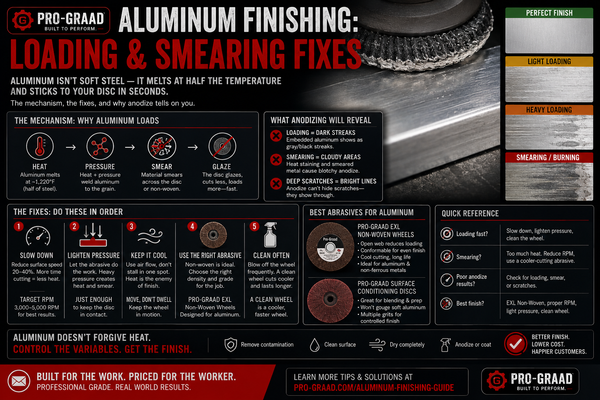
Clogging is the single fastest way to kill a sandpaper sheet. One of the most common culprits behind early sandpaper death is clogging. When sanding soft materials like wood, paint, or drywall, fine dust and resin can fill the spaces between the abrasive grains, making the sandpaper useless even if the grit is still intact.
How Stearate Coatings Work
Stearate coatings act as a lubricant on the surface of abrasives, reducing excessive friction between the abrasive grains and the material being worked on. Stearate, a zinc or calcium soap compound, forms a microscopic film over the abrasive grains. Instead of allowing dust to weld under friction, it melts slightly and sheds debris. The coating keeps grits sharp longer and reduces burn marks - especially on finishes or resinous woods.
Stearate can help to prevent the abrasive grains from clogging with dust, which helps improve sanding efficiency and prolongs the life of the sandpaper. It can also reduce friction between the abrasive grains and the workpiece, which can help prevent heat buildup and reduce the risk of burning the surface being sanded. Therefore: always choose stearate-coated sheets when working on soft woods, lacquers, primers, or paints - these materials clog uncoated paper almost immediately.
One important limitation: if you want to wet-sand, the stearate coating dissolves in water. Switch to silicon carbide wet/dry types for those applications.
Open-Coat vs. Closed-Coat: The Other Clogging Variable
Beyond the stearate treatment, the density of grain coverage on the sheet affects how quickly it loads up. Open-coat sheets have grains covering roughly 50-70% of the backing surface, leaving gaps for debris to escape. Coating refers to how much grain is on the backing material. Closed-coat sheets provide maximum cutting aggression but load faster on sticky or resinous materials. For most wood finishing work, open-coat stearate-coated sheets deliver the best combination of performance and longevity.
Matching the Right Grit to Every Stage of Your Project
Even a perfect premium sandpaper sheet fails to deliver its full life if you use it at the wrong grit for the job. I've found that the most common waste of sandpaper sheets comes from incorrect grit selection - either using a fine grit to do the heavy lifting of a coarse grit, or skipping grit steps and wondering why the finish looks rough.
The Grit Progression Principle
During a sanding project, choosing the right grit sequence is critical. You want to start with a rougher abrasive that eliminates all stock and finish, followed by successively finer grits that clear away sanding marks until a smooth finish results.
Start with a coarser grit for initial material removal and progress to finer grits for smoothing and finishing. The typical progression starts with a coarse grit around 60-80 for initial shaping or stripping, moving to medium 100-150 for further smoothing, and finishing with fine grits 220 and above.
Skipping grits often leaves hidden scratches that show up under stain, paint, or clear coats. Moving through the full sequence - starting coarse and finishing ultra-fine - gives maximum control over the surface and prevents rework later. Therefore: follow a proper grit ladder. Jumping from 80 to 400 grit will not hide the 80-grit scratches - it will only polish over them temporarily.
Grit Selection by Material
Aluminum oxide is ideal for wood and metal - durable and self-renewing. Silicon carbide is best for hard materials like glass, stone, and plastics. Zirconia alumina is aggressive and long-lasting, perfect for heavy-duty metal sanding. Ceramic is very tough and heat-resistant, great for high-pressure sanding tasks.
A practical workflow for woodworking, as outlined by Woodworking Advisor's aluminum oxide vs. silicon carbide guide: to strip old finish, start with coarse 80-grit aluminum oxide to quickly remove thick layers. For initial smoothing, move to 120-grit aluminum oxide to prepare for finer grits. Then for a super-smooth surface before the final coat, switch to 320-grit silicon carbide. This is where silicon carbide really shines - it will give you a very fine, buffed look that aluminum oxide might struggle to match at these super-fine grits.
Pro Tip: Never skip more than one grit step. According to Red Label Abrasives' grit progression guide, when you skip more than one grit the higher grits only cut the tops of the scratch peaks, leading to an uneven pattern and blotching. Following the sequence carefully also means each grit level removes less material, so sheets last longer at each stage.
How to Extend Sheet Life Through Technique and Tool Use
Buying premium sandpaper sheets is half the equation. How you use them determines whether you get three times the life or burn through them in the first session.
Pressure Control: Less Is More
More pressure does not mean faster sanding. In fact, it can overheat and wear out the paper, damage the workpiece, or stress your tool. Let the sandpaper do the work. Use light to moderate pressure to extend its lifespan and ensure a smoother, more even finish.
Use a Sanding Block or Pad
Hand sanding with loose sheets causes uneven pressure and premature wear. Using sanding blocks or pads distributes the pressure evenly, allowing more of the abrasive surface to be used effectively. Uneven pressure concentrates wear on one corner of the sheet, wasting the remaining abrasive surface entirely.
Clean Your Sheets During Use
One of the most overlooked longevity habits is cleaning sandpaper while you work. A sandpaper cleaning stick is a block of natural crepe rubber. You press it against moving sandpaper on a power sander. The rubber's stickiness and friction pull out embedded dust, wood particles, and other dry debris. It is a highly effective tool for extending the life of dry sandpaper.
The eQualle Sandpaper guide on crepe cleaning explains that with a few simple maintenance habits - especially crepe-block cleaning, smart rotation, and heat control - you can double, sometimes triple, the useful life of your abrasives while keeping cut rates high and scratch patterns predictable. Therefore: buy a crepe cleaning block the same day you buy your premium sheets. The block costs a few dollars and the payoff in sheet life is immediate.

For wet/dry sheets, wet cleaning works well: submerge the wet/dry sheet in warm soapy water for 5 minutes, brush gently, rinse, and air-dry flat. Avoid hair-dryers - heat re-softens adhesive and curls the backing.
The Warning Signs Your Sandpaper Sheet Has Reached End of Life
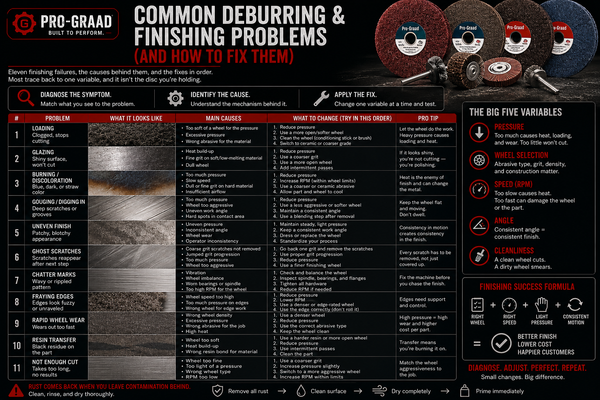
The decision to replace often comes down to distinguishing between a reversible problem - loading - and a permanent one - dulling. Dulling is the permanent loss of the cutting edge. Knowing the difference saves you from replacing sheets that can be cleaned, and from pushing dead sheets that only waste your time.
Signs of Loading (Recoverable)
Loading occurs when the spaces between the abrasive grains are packed with material. The sandpaper is still sharp, but the debris prevents the cutting edges from reaching the workpiece. This is a common issue when sanding softwoods or materials high in resin or paint.
Loading shows up as a shiny, sluggish sheet surface and often produces a burning smell. When abrasive grains are clogged with material, the disc looks shiny and smooth. The fix is a crepe cleaning block before disposal is considered.
Signs of True Wear (Replacement Required)
If the abrasive takes too long to do its job or you have to apply more pressure to get results, it's likely that the grains are clogged with debris or the abrasive side has worn down. In either event, it's likely time to replace your sandpaper.
If you run your fingers lightly over the surface and it feels noticeably smooth, the grains are likely rounded off and the abrasive is dull. At that point, no amount of cleaning will restore the cutting edge.
Fresh sandpaper cuts cleanly and evenly; worn sheets drag, glaze, and overheat your workpiece. A quick tactile test against a fresh sheet of the same grit takes five seconds and gives you a reliable answer every time.
Pro Tip: Keep one new sheet of each grit in your storage system as a reference. Run your fingertip across the used sheet, then the reference sheet. Any meaningful difference in texture means the working sheet is past its prime.
Proper Storage: Protecting Your Investment Before the First Stroke
Even the best premium sandpaper sheet degrades before you touch a workpiece if it's stored incorrectly. For coated abrasives, there are three common enemies that shorten service life: temperature, humidity, and dust.
Moisture Is the Biggest Threat
Moisture is one of sandpaper's worst enemies. Excess humidity can cause the paper backing to curl or the abrasive to deteriorate. Store your sandpaper in a dry environment, such as a toolbox or cabinet with a silica gel pack to absorb moisture.
Keep Sheets Flat and Sorted
Storing sandpaper flat prevents creases, folds, and warping, which can reduce its effectiveness. Use a flat drawer, large folder, or even a cardboard box to keep sheets organized and in good condition. Sorting your sandpaper by grit size makes it easier to find the right sheet for your project. Use labeled folders, accordion files, or zip-top plastic bags for each grit range.
The manila file folders work well for sandpaper storage recommends that manila file folders work well for sandpaper storage work well for separating and labeling different grits. These can be stored in binders or portfolios. Hanging folders in a small file box allow for further separation of different types by grit or usage such as aluminum oxide, silicon carbide, and wet/dry.

Common Mistakes That Kill Sandpaper Sheets Prematurely
I've made most of these mistakes myself. Each one either shortens sheet life, ruins a finish, or both.
Mistake 1: Using Fine Grit for Heavy Material Removal
Using fine grit for heavy stock removal not only makes the job harder but wears out the sandpaper prematurely. You're forcing a delicate cutting edge to do brutally hard work. Start coarse and work your way down.
Mistake 2: Buying Budget Sheets for Production Tasks
While cheaper discs may look attractive initially, they often wear out quickly, increasing their cost in the long run. Investing in quality abrasives, although it may cost more upfront, provides better long-term value due to their longevity and consistent performance. Cheap sandpaper seems like a bargain upfront, but then it clogs instantly, the grit falls off, and you end up using three sheets to do the job of one good one. Therefore: track how many sheets you use per project. If cheap sheets require three where one premium sheet would do, your "savings" are actually a loss.
Mistake 3: Ignoring the Backing Weight for Your Application
If you sand by hand or only use abrasives for polishing or touch-ups, a good product will last you for months. However, if you have an orbital sander or belt sander, the sanding disc tends to lose its sharpness more quickly due to the faster speed and rotating power of the machine. Machine use demands a heavier backing weight - using a lightweight paper-backed sheet on a power sander is a fast route to tearing and waste.
Mistake 4: Storing Sheets in a Damp Workshop
One method to help extend life is by not leaving your sandpaper in damp or wet areas. Wet sandpaper might grind more aggressively initially, but it also wears away faster over time and can start to corrode.
Frequently Asked Questions
What is the longest-lasting type of sandpaper sheet for general use?
Ceramic is considered a premium abrasive grain, as it is extremely hard and sharp. Ceramic abrasives come with a premium price, but they have the longest lifespan over any other type of abrasive material. For everyday use, a high-quality aluminum oxide sheet on a cloth or film backing gives the best balance of cost and longevity.
How do I know which grit to start with on a wood project?
When you're sanding wood, you typically won't start any lower than 80 grit. Usually, 60 grit is the lowest grit experienced makers will use on wood and that's only if the piece has gouges, splinters, loose fibers, or dips. For well-prepared, planed wood, 100 or 120 grit is often the better starting point - less aggressive, less waste.
Can I really triple the life of a sandpaper sheet through maintenance?
Yes - for sheets that are loading rather than genuinely worn. Cleaning your sandpaper can dramatically increase its lifespan, especially when working with wood or painted surfaces. The eQualle crepe cleaning guide confirms that consistent cleaning, rotation, and heat control habits can double or triple working life. Sheets that are truly dull - with grains physically worn flat - cannot be restored.
What is the difference between open-coat and closed-coat sandpaper sheets?
Open-coat sheets have abrasive grains covering roughly 50-70% of the backing surface, with deliberate gaps to allow dust and debris to escape during sanding. Closed-coat sheets are fully covered and cut more aggressively, but load up faster on resinous or soft materials. For wood finishing and painted surfaces, open-coat stearate-coated sheets typically offer longer working life because debris clears rather than embedding.
Do stearate-coated sandpaper sheets work with water-based finishes?
Yes - stearate is safe for finishing. Just wipe surfaces thoroughly before applying stain or topcoat; residue can resist adhesion. However, stearate-coated sheets should not be used for wet sanding, as the water dissolves the protective coating.
How should I store premium sandpaper sheets to preserve their shelf life?
Keep your sandpaper flat, dry, and dust-free. Store in a sealed container or drawer, keep away from moisture or direct sunlight, and hang belts and discs when possible to avoid bending or creasing. Adding a silica gel pack to your storage container provides an additional buffer against humidity swings in unconditioned workshops.
The Bottom Line
Choosing premium sandpaper sheets that last three times longer is a straightforward decision when you know what to look for. The mineral matters - ceramic and high-quality aluminum oxide significantly outlast generic grits. The backing matters - cloth and film resist tearing that paper cannot. The coating matters - stearate prevents the clogging that kills abrasive performance long before the grit is genuinely worn. And the habits matter - proper grit progression, consistent pressure control, crepe-block cleaning, and dry flat storage multiply the value of every sheet you buy.
Whether you're working on a home renovation, a furniture restoration, or a regular production schedule, the investment in quality pays back immediately. Brands like Pro-Graad focus specifically on the engineering details - abrasive grade, backing weight, coating quality - that determine how long a sheet actually performs in real use. Start by evaluating your current sheets against these criteria, and you'll quickly identify exactly where your abrasive budget is being wasted.
Sources
-
Cost Versus Lifespan Tradeoffs: Silicon Carbide Sandpaper - Equalle.com. Analysis of premium resin performance and wet sanding durability. https://blog.equalle.com/posts/2026/03/25/cost-versus-lifespan-tradeoffs-silicon-carbide-sandpaper/
-
How Long Does a Sanding Disc Last - Complete Lifespan Guide - Benchmark Abrasives. Guidance on premium vs. budget abrasive total cost of ownership. https://benchmarkabrasives.com/blogs/sanding/how-long-does-sanding-disc-last
-
Choosing the Best Sandpaper: Brands, Types, and Longevity - Novogrit. Abrasive type comparison and longevity factors. https://novogrit.com/choosing-the-best-sandpaper-brands-types-and-longevity/
-
How to Make Sandpaper Last Longer - FastPlus.eu. Practical storage and usage extension techniques. https://fastplus.eu/blogs/sanding-polishing/how-to-make-sandpaper-last-longer
-
Comparing Aluminum Oxide, Silicon Carbide, and Ceramic Abrasives - eQualle Sandpaper. Durability testing across grit ranges. https://equalle.com/blogs/restoration-projects/comparing-aluminum-oxide-silicon-carbide-and-ceramic-abrasives-which-lasts-longer-80-3000-grit-durability-tests
-
Silicon Carbide vs Aluminum Oxide Abrasives - Empire Abrasives. Hardness, applications, and material compatibility. https://benchmarkabrasives.com/blogs/news/silicon-carbide-abrasive-vs-aluminum-oxide-abrasive
-
Aluminum Oxide vs Silicon Carbide Sandpaper - Uneeda (Sandpaper.com). Grain behavior and practical usage guidance. https://www.sandpaper.com/articles/aluminum-oxide-vs-silicone-carbide/
-
Cloth Backings in Abrasive Products 101 - Empire Abrasives. Backing types, durability, and application matching. cloth-backed abrasives are more durable than paper
-
Abrasive Backings: Paper, Cloth, Film & Foam - Red Label Abrasives. Backing pros, cons, and longevity guidance. https://www.redlabelabrasives.com/blogs/news/how-to-choose-the-right-backing-for-your-abrasives
-
Paper, Cloth, Film or Foam? Choose the Right Backing - Uneeda. Comparison of backing materials for different tasks. https://www.sandpaper.com/articles/paper-cloth-film-or-foam-choose-the-right-backing-to-get-the-job-done/
-
Sandpaper Terminology Explained - Serious Grit. Film backing, stearate, and PSA vs hook-and-loop. https://www.seriousgrit.com/blogs/sandpaper-post/sandpaper-terminology-explained-7-terms-you-need-to-know
-
Stearate Coatings Explained - Empire Abrasives. Anti-clog mechanism and application guidance. https://www.empireabrasives.com/blog/stearate-coatings-explained-a-gamechanger-in-modern-abrasives/
-
Anti-Clog Coatings: Stearate vs Non-Stearate Sandpaper Performance - eQualle Sandpaper. Comparative testing and usage guidelines. https://equalle.com/blogs/safety-and-gear/anti-clog-coatings-stearate-vs-non-stearate-sandpaper-performance-120-800-grit-tests
-
Are Ceramic Abrasives Better? - Empire Abrasives. Performance and cost comparison vs. aluminum oxide and zirconia. The cost of ceramic is generally
-
How Much Longer Will Zirc or Ceramic Last? - Preferred Abrasives. Real-world lifespan comparison data. https://www.preferredabrasives.com/faq/much-longer-will-zirc-ceramic-last-compared-aluminum-oxide/
-
How to Choose the Right Sanding Grit Progression - Red Label Abrasives. Grit sequence principles for wood and metal. https://www.redlabelabrasives.com/blogs/news/sanding-grit-guide-how-to-choose-the-right-grit-sequence
-
When To Change Sandpaper Belts, Discs, and Sheets - Red Label Abrasives. Loading vs. dulling distinction and replacement timing. https://www.redlabelabrasives.com/blogs/news/when-to-change-sandpaper-belts-discs-sheets
-
When Should You Change Sandpaper Belts? - Benchmark Abrasives. Performance failure indicators. https://benchmarkabrasives.com/blogs/sanding/when-should-you-change-sandpaper-belts
-
How to Store Sandpaper Effectively - eQualle Sandpaper. Moisture, flat storage, and grit sorting guidance. https://equalle.com/blogs/sanding-tips/how-to-store-sandpaper-effectively
-
Sandpaper Sheet Storage - 2Sand.com. Filing and organization systems for full sheets. manila file folders work well for sandpaper storage
-
Make Sandpaper Last Longer: Crepe Cleaning and Rotation - eQualle Sandpaper. Maintenance habits that double or triple abrasive life. https://equalle.com/blogs/auto-bodywork/make-sandpaper-last-longer-crepe-cleaning-rotation
-
Tips to Improve Sanding Performance and Extend Sandpaper Life - SandeBurring.com. Environmental variables and storage best practices. https://sandeburring.com/tips-to-improve-sanding-performance-and-extend-sandpaper-life/
-
Abrasive and Sandpaper Manufacturing Market Size - IBISWorld. U.S. industry size and growth statistics. https://www.ibisworld.com/united-states/market-size/abrasive-sandpaper-manufacturing/561/
-
Aluminum Oxide vs Silicon Carbide Sandpaper: Essential Guide - Woodworking Advisor. Material-matched grit and abrasive selection. https://woodworkingadvisor.com/aluminum-oxide-vs-silicon-carbide-sandpaper/