Remove Rust Metal Using Safe, Effective Methods
Rust has a way of sneaking up on you. One day your garden tools look fine; a few weeks later you spot that telltale reddish-brown crust. A study by the International Association of Corrosion Engineers puts the direct cost of rust and corrosion in the U.S. at $276 billion, representing 3.1% of GDP. That is not just a number for factory floors. It hits homeowners, mechanics, and hobbyists every time a rusted tool breaks prematurely or a metal structure needs early replacement. The good news is that with the right approach, you can remove rust from metal safely, restore the surface to bare metal, and keep it protected for years.
This guide walks you through every practical method, from pantry staples to abrasive power tools, so you can choose the right technique for your situation and get lasting results.

Key Takeaways
- Rust costs more than you think: The National Association of Corrosion Engineers estimated the global cost of corrosion at around US$2.5 trillion, equal to about 3.4% of the world's GDP. Acting early on surface rust is always cheaper than replacement.
- Match the method to the severity: You can remove rust passively by letting metal soak in an acid such as vinegar or citric acid, or actively by scrubbing it away with abrasive materials like baking soda and steel wool. Choosing the wrong approach wastes time and risks damaging the base metal.
- Grit selection is critical for removing rust scratches: For light surface rust, start with 120-220 grit sandpaper; for moderate rust that is more substantial but still manageable, begin with 80-150 grit. Starting too coarse on light rust creates unnecessary damage.
- Protection is mandatory after removal: Once rust is gone, protecting the bare metal is essential because metal starts oxidizing as soon as it is exposed to air, so sealing it right away gives you the best long-term results.
- Safety gear is non-negotiable: Wear safety glasses or goggles to protect your eyes from debris, chemicals, or splashes, and use gloves, preferably chemical-resistant ones, to shield your hands from chemicals, abrasive materials, or sharp edges.
Quick-Start Prioritization Framework
| Method | Best For | Effort Level | Time to Results |
|---|---|---|---|
| White vinegar soak | Small items, light to moderate rust | Low | 8-24 hours |
| Baking soda paste | Light rust on delicate surfaces | Low | 2-4 hours |
| Citric acid bath | All-over rust on small parts | Low | Overnight |
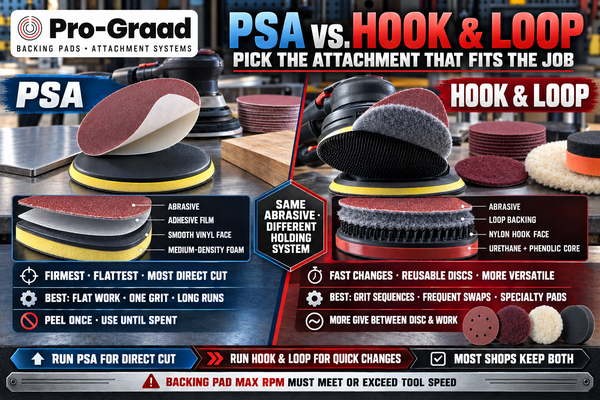
| Sandpaper / steel wool | Surface rust, pre-paint prep | Medium | 30-90 minutes |
| Commercial rust remover | Medium-heavy rust, faster action | Medium | 30 minutes, 2 hours |
| Power tools (wire wheel, grinder) | Heavy or extensive rust | High | 15-60 minutes |
Start here if you are:
- A first-timer with light rust: White vinegar or baking soda paste, minimal cost, minimal risk, and tools you already own.
- Dealing with rust scratches and preparing to repaint: Sandpaper with a progression from coarse to fine grit gives the cleanest, most paint-ready surface.
- Tackling heavily corroded metal: Commercial rust remover or a power tool with a wire wheel will save hours of scrubbing, just follow PPE rules carefully.
Natural Household Methods to Remove Rust from Metal
White Vinegar Soak
In my experience, white vinegar is the single most useful starting point for anyone learning to remove rust from metal at home. White vinegar, a common household item, is effective for rust removal on metal surfaces. Submerge the rusty object in white vinegar, ensuring it is completely covered, and let it sit overnight.
White vinegar contains acetic acid, which is surprisingly good at dissolving rust. Soak your items for 12 to 24 hours, then scrub them with a brush for great results. After scrubbing, rinse thoroughly with water, and, this step matters, neutralize any remaining acid. Rinse the part thoroughly with water afterward, then follow the rinse with a quick dip in a mixture of baking soda and water to neutralize any remaining acid, which prevents the metal from immediately rusting again.
Pro Tip: If you cannot submerge the item, for example, a section of fence rail, wrapping rusted areas in rags soaked in vinegar recommends wrapping the rusted area tightly in rags soaked in vinegar and leaving them in place for several hours.
Baking Soda Paste
For light rust stains, baking soda is an excellent, non-toxic rust remover. Mix baking soda with water to create a thick paste and apply it generously to the rusted area. Let the paste sit for a few hours or overnight for better results. Using steel wool, a scouring pad, or a wire brush, scrub the paste in a circular motion to remove the rust.
wrapping rusted areas in rags soaked in vinegar paste, spread it on the metal, let it sit for 15-20 minutes, and scrub. It is gentle enough for items you do not want to scratch. This makes baking soda the right call for chrome trim, kitchen utensils, or any surface where you want to avoid deep abrasion.
Citric Acid Bath
Citric acid, a natural and mild acid, is effective for rust removal. Mix citric acid with hot water to create a solution and submerge the rusted item. Let it sit for several hours or overnight for more severe rust. After soaking, use a brush or scouring pad to scrub away the loosened rust. This method is particularly effective for removing rust from small metal parts and tools.
Citric acid, often found in the canning section of the grocery store, is another "pro secret." It works faster than vinegar and does not leave a strong lingering smell on your tools. I've found that citric acid consistently outperforms vinegar when time is a factor, a clear advantage when you need tools back in service quickly.
How to Remove Rust Scratches Using Abrasives
Abrasive methods, sandpaper, steel wool, wire brushes, and power tools, remove rust mechanically rather than chemically. They also produce the surface texture needed for protective coatings to bond properly. This is the approach to use when you also need to remove rust scratches and prepare the metal for painting or sealing.
Choosing the Right Sandpaper Grit
Matching your starting grit to the severity of the rust is the single most important decision in abrasive rust removal. For light surface rust or simple tarnish, a starting grit in the 180 to 220 range is appropriate. This finer abrasive gently shears away the thin layer of iron oxide without removing much healthy base metal. Using a coarser grit here would create a rough surface texture that is time-consuming to smooth later.
When dealing with heavy rust or deeply embedded corrosion, start with a coarse-grit sandpaper in the 40-80 grit range to aggressively remove the rust layers. Gradually transition to finer grits to smooth and restore the metal surface. A practical progression to follow: start with 60 grit to sand away heavy rust and pitting, switch to 100 grit to smooth out deep scratches and remaining rust, refine with 150 grit to prepare the surface for coatings, and finish with 220 grit for a clean, paint-ready surface.
Pro Tip: According to Engineer Fix's grit selection guide, clean the metal with a degreaser between each grit change. Coarse dust left on the surface can become trapped under finer sandpaper and cause deep, stray scratches that require extra refinishing work.
Using Wire Brushes and Power Tools
wrapping rusted areas in rags soaked in vinegar rust, use coarse-grit sandpaper, a sanding block, a grinder with a wire wheel, or an abrasive blasting system. Work steadily until you reach clean, bare metal.
For heavier rust buildup, try an electric drill outfitted with a wire brush. Alternatively, if you have access to one, use a grinder, but keep the grinding wheel, stripping disc, or flap disc moving on the object at all times, or you will risk causing damage worse than rust.

Sanding levels the surface and creates a consistent scratch pattern so coatings and finishes bond evenly. Skipping the final fine-grit pass is one of the most common DIY errors, if the surface is too smooth, primer has nothing to grip.
Commercial Rust Removers: When and How to Use Them
When dealing with stubborn rust commercial rust removers can be highly effective. These products are specifically formulated to tackle rust on metal surfaces. Apply the solution according to the manufacturer's instructions, usually involving application, waiting, and then scrubbing.
Most commercial products use phosphoric acid as their active ingredient. Commercial rust removers are based on stronger acids like phosphoric acid that chemically dissolve rust but require careful handling and safety precautions. Phosphoric acid converts iron oxide into iron phosphate, a stable, dark coating that actually serves as a primer base.
Safety When Using Chemical Products
Before beginning any rust removal project, it is important to prioritize your safety and protect your work environment. Whether you are using natural remedies, mechanical tools, or chemical solutions, taking the right precautions helps prevent accidents. Wear gloves and eye protection designed for handling chemicals. A PPE kit is essential to prevent skin irritation and eye injuries during chemical rust removal.
For stronger chemical products, the requirements are even more specific. Proper gear includes acid-resistant gloves such as neoprene or nitrile to prevent skin contact, safety goggles or face shields to block splashes and fumes, and protective clothing such as aprons or lab coats to shield your torso and legs. Avoid wearing shorts or open-toe shoes.
Never mix rust removers with cleaners or solvents, as mixing can release harmful gases. This is a critical safety rule that many DIYers overlook.
Pro Tip: Chemway Chemicals' safety guide for rust removers points out that using more product does not improve results; it increases risk. Follow the recommended application amount on the label and set up adequate ventilation before you start.
Protecting Metal After Rust Removal
Removing rust is only half the job. One of the most common mistakes DIYers make is leaving cleaned metal unprotected. Once you finish the rust removal process, the surface is "active"; it will react with moisture in the air almost instantly, forming a thin layer of orange "flash rust."
Coating Options
wrapping rusted areas in rags soaked in vinegar coat of light oil or rust prevention spray to keep moisture away and slow future oxidation. For any metal surface you plan to paint, a rust-inhibiting primer is essential before the topcoat. Rust-inhibiting primers form the foundation of durable metal painting systems by creating a barrier against moisture and chemically passivating the metal surface. These specialized primers contain corrosion inhibitors that prevent oxidation even if moisture penetrates the topcoat.
For moving parts and stored tools, oil is a practical long-term solution. Coating metal with a layer of grease or oil creates a physical barrier that prevents oxygen and moisture from reaching the surface. This method is widely used in automotive, industrial, and marine applications, with specialized anti-corrosion greases and oils providing additional protection.
Pro Tip: According to Family Handyman's rust prevention tips, storing tools with vapor corrosion inhibitor (VCI) products, capsules, mesh liners, and zipper bags, is an effective preventive measure. These products are infused with rust-inhibiting compounds that vaporize and attach to metal surfaces, forming an anticorrosive coating.

Common Mistakes to Avoid
After years of working with metal restoration, I've found that most failed rust removal jobs trace back to a small set of preventable errors. Here is what to watch out for:
- Skipping surface prep, loose flaking rust will prevent any coating from bonding properly.
- Using bleach-based cleaners. Avoid using bleach on rust, as chemicals that are too harsh, like hydrochloric acid and chlorine bleach, and not thoroughly cleaning and drying the metal surface after the rust is removed, which can lead to rust reappearing.
- Priming over rust without full removal. If you only polish away the visible layer, you are priming over a time bomb. The goal is bare steel with a lightly roughened texture, without that profile, the primer has nothing to bite into and corrosion will start again as soon as moisture reaches it.
- Starting with the wrong grit. Steel wool is suitable for heavy-duty cleaning tasks but may not be the best choice for delicate or easily scratched surfaces.
- Skipping neutralization after acid soaks. Failing to neutralize with a baking soda rinse after using vinegar or citric acid leaves residual acidity that accelerates re-rusting on freshly exposed metal.
- Leaving bare metal uncoated. Apply oil, primer, or a rust converter within minutes of completing removal, not hours.
Frequently Asked Questions
What is the fastest way to remove rust from metal at home?
Citric acid, often found in the canning section of the grocery store, is one of the fastest natural methods. It works faster than vinegar and does not leave a strong lingering smell on your tools. For immediate mechanical removal with no soaking time, a wire brush or coarse-grit sandpaper on a power drill cuts through surface rust in minutes, though more physical effort is involved.
Can I remove rust scratches without damaging the metal underneath?
Yes, the key is using the right grit. wrapping rusted areas in rags soaked in vinegar wool, a wire brush, or a surface conditioning tool to remove light surface rust. Apply steady, even pressure until the reddish-brown rust film is gone and clean metal is visible underneath. For delicate parts, use finer abrasives to avoid scratching or gouging the surface. Starting too coarse and pressing too hard are the two most common causes of unnecessary surface damage.
How do I stop rust from coming back after I remove it?
You can prevent rusting by regularly applying oil to your metal structures, using rust-prevention paint, and rust-prevention spray, and opting for galvanized metals. For tools in storage, Armor VCI's rust prevention guide recommends pairing airtight storage with VCI products or desiccants to create a controlled, rust-resistant environment.
Is white vinegar safe to use on all metals?
White vinegar works well on iron and steel tools. However, for aluminum, a welding and metalworking guide from Welding Property advises using mechanical methods only, as acidic chemicals can dull anodized finishes. For chrome surfaces, aluminum foil is softer than chrome, which helps lift surface rust without scratching. Always test a small hidden area first if you are unsure about your metal type.
When should I call a professional instead of doing it myself?
Surface rust and moderate corrosion are straightforward DIY projects. However, if rust has compromised the structural integrity of the metal, visible pitting, flaking all the way through, or rust on weight-bearing components like trailer frames or stair railings, professional assessment is the safer route. Pro-Graad provides expert guidance on surface treatment and metal restoration for situations where the correct preparation method determines the safety and longevity of the final result.
Sources
-
How to Remove Rust From Metal, HowStuffWorks. Practical methods including vinegar, baking soda, and citric acid. https://home.howstuffworks.com/home-improvement/household-hints-tips/cleaning-organizing/how-to-get-rust-off-stainless-steel.htm
-
How to Remove Rust from Metal: Step-by-Step Guide, Harbor Freight. Soaking, scrubbing, and post-removal protection. wrapping rusted areas in rags soaked in vinegar
-
5 Ways to Remove Rust From Metal, Apartment Therapy. Tested comparison of rust removal methods. https://www.apartmenttherapy.com/how-to-clean-rust-off-old-loaf-141206
-
Cost of Rust, Armor VCI. U.S. corrosion cost statistics and rust prevention. https://www.armorvci.com/corrosion/cost-of-rust/
-
Cost of Corrosion, Outokumpu. NACE International global corrosion cost data. https://www.outokumpu.com/en/expertise/industrial-evolution-insights/2025/cost-of-corrosion
-
What Grit Sandpaper to Remove Rust From Metal, Engineer Fix. Detailed grit selection guide by rust severity. https://engineerfix.com/what-grit-sandpaper-to-remove-rust-from-metal/
-
eQualle Sandpaper Sheets for Metal Rust Removal (60-220 Grit Guide), eQualle. Step-by-step grit progression for rust removal. https://equalle.com/blogs/diy-projects/equalle-sandpaper-sheets-for-metal-rust-removal-60-220-grit-guide
-
How to Remove Rust From Metal: 8 Effective Methods, Bob Vila. Power tool and sandpaper rust removal guidance. https://www.bobvila.com/articles/how-to-remove-rust/
-
Safety Measures and Precautions When Treating or Removing Rust, Neutrarust. PPE requirements for rust treatment. https://neutrarust.co.uk/blog/safety-measures-and-precautions-when-treating-or-removing-rust/
-
Phosphoric Acid Rust Removal: Complete Step-by-Step Guide, Alliance Chemical. Safety requirements for chemical rust removers. https://alliancechemical.com/blogs/articles/how-to-use-phosphoric-acid-for-rust-removal-a-complete-guide
-
Safety Tips for Using Rust Remover Chemicals, Chemway Chemicals. Handling, mixing, and ventilation guidance. https://chemwaychemicals.com/safety-tips-for-using-rust-remover-chemicals-chemway-chemicals/
-
Rust Removal From Metal: Expert Techniques to Restore Your Gear, The Jimboslice Workshop. Flash rust prevention and neutralization steps. https://thejimbosliceworkshop.com/rust-removal-from-metal/
-
How to Remove Rust from Metal: Best Methods Compared, BLSTR Sander. Surface prep depth and primer adhesion guidance. https://www.blstrsander.com/blogs/info/rust-removal-metal-methods-compared
-
How Coatings Protect Metals From Rust and Corrosion, MST Steel. Post-removal coating and primer application steps. https://mststeel.com/industry-news-blog/prevent-rust-coatings/
-
12 Tips and Tricks to Prevent and Remove Rust, Family Handyman. VCI storage products and tool rust removal tips. https://www.familyhandyman.com/list/prevent-and-remove-rust/
-
How to Remove Rust from Metal, Empire Abrasives. From natural DIY methods to power tools. Commercial rust removers are based on
-
9 Ways to Stop Rust Without Paint, Armor VCI. Oil, grease, and VCI rust prevention alternatives. https://www.armorvci.com/news/9-ways-to-stop-rust-without-paint/