Aluminum Oxidation Removal Restores Original Finish
Aluminum is everywhere, in your patio furniture, boat trailer, car wheels, kitchen cookware, and window frames. The global aluminum industry reached a production quantity of around 73 million metric tons in 2024, an increase of about 3.2 percent compared to 2023. With that much aluminum in daily life, the chalky white film that creeps across unprotected surfaces is one of the most common maintenance problems homeowners and enthusiasts face. The good news is that aluminum oxidation removal is a manageable process when you match the right method to the right situation, and the result is a surface that looks as close to factory-fresh as possible.
This guide walks you through what aluminum oxidation actually is, why it happens, which removal methods work best for each scenario, what mistakes permanently damage surfaces, and how to protect your work so it lasts. Whether you are tackling a set of wheels, outdoor furniture, or a trailer frame, you will find a clear, step-by-step path here.

Key Takeaways
-
Oxidation is chemistry, not rust: Aluminum corrodes but does not rust. The white or gray powder that appears on aged aluminum surfaces is aluminum oxide, the visible outcome of corrosion, not "aluminum rust." Treating it like iron rust leads to the wrong products and permanent damage.
-
Always start with the gentlest method: The approach you take depends heavily on the severity of oxidation. Always start with the gentlest method and only escalate if necessary, this minimizes the risk of damaging the aluminum surface.
-
Some household chemicals cause irreversible harm: Never use chlorine-based cleaners on aluminum. Products containing bleach or chlorine rapidly pit aluminum surfaces, creating permanent damage that no amount of polishing can fix. Therefore, always verify a product is aluminum-safe before applying it.
-
Sealing after cleaning is non-negotiable: Bare aluminum begins forming a new oxide layer within seconds of exposure to air, so sealing the surface immediately after cleaning is critical if you want to preserve the result.
-
Clean every 4-6 months in demanding environments: You should clean aluminum every 4-6 months, and this schedule is vital in salty or polluted areas.
Quick-Start Prioritization Framework
Choosing the wrong method wastes time and risks scratching or pitting the surface. Use this table to match your situation to the right starting point before picking up any product.
| Method | Best For | Effort Level | Time to Results |
|---|---|---|---|
| White vinegar or lemon juice | Light haze, cookware, furniture | Low | 15-30 minutes |
| Baking soda paste | Moderate oxidation, small items | Low | 20-40 minutes |
| Commercial aluminum cleaner | Moderate-heavy oxidation, boats, trailers | Medium | 30-60 minutes |
| Mechanical buffing (orbital buffer) | Heavy oxidation, wheels, large panels | Medium-High | 1-3 hours |
| Rotary polisher with compound | Severe oxidation, automotive or trailer work | High | 2-4 hours |
| Professional / laser ablation | Industrial parts, intricate components | Expert | Project-dependent |
Start here if you're:
- A first-timer or working on small items: White vinegar solution or baking soda paste, lowest risk, zero cost, easy to control.
- Dealing with boats, trailers, or outdoor furniture: A purpose-formulated commercial aluminum cleaner will save hours and protect the surface from further etching.
- Tackling automotive wheels or large panels: An orbital buffer with a foam cutting pad and aluminum polishing compound. It is the safest power tool option for DIY users.
What Aluminum Oxidation Actually Is
The Chemistry Behind the White Film
When aluminum reacts with oxygen and moisture, it forms a protective layer called aluminum oxide. This process can affect the metal's appearance and strength. The aluminum oxidation formula is straightforward: 4Al + 3O₂ → 2Al₂O₃. In simple terms, aluminum atoms bond with oxygen molecules to create this new compound on the surface.
The important nuance is that not all oxidation is harmful. Aluminum oxide actually serves as a protective barrier for the underlying metal. When left undisturbed, this thin layer prevents deeper damage by shielding fresh aluminum from further environmental exposure. The problem arises when that layer becomes thick, uneven, or disrupted, producing the dull, chalky appearance that signals it is time to act.
What Accelerates Oxidation
Aluminum oxidation starts when air and water touch the metal. Oxygen in the air reacts fast with aluminum, making a thin layer called aluminum oxide. The layer helps protect the metal, but some things can make oxidation happen faster. Humid air, salt, and pollution speed up the process.
Chloride ions found in seawater and de-icing salts, strong acids, strong alkalis, and direct contact with metals of higher potential can all cause localized damage to the oxide film, leading to various types of corrosion. If you park near the ocean, store aluminum outdoors through winter, or use road salt on your driveway, your aluminum items face significantly higher oxidation rates.
When Oxidation Becomes a Structural Problem
For most everyday items, oxidation is primarily a cosmetic issue. Oxidation is mainly a cosmetic issue and it will not compromise the structural integrity of your trailer unless the aluminum is also exposed to galvanic corrosion, such as when dissimilar metals like steel bolts or brackets contact aluminum in the presence of water.
Left completely untreated, however, the consequences grow. For moving parts or heat exchangers, a thick oxide layer can reduce efficiency. If left untreated, the oxide layer can break down, leading to localized corrosion and pitting. Oxidation also affects finishes by preventing proper adhesion for paints, sealants, or new coatings. Act before pitting starts.
Step-by-Step Aluminum Oxidation Removal Methods
Method 1: Household Acid Solutions (Light Oxidation)
This is the right first step for mild surface haze on cookware, garden furniture, and lightly weathered items. For mild oxidation and surface haze, start with simple household solutions. White vinegar contains acetic acid, which dissolves light oxidation.
Here is the process:
- Pre-clean the surface with warm water and a drop of dish soap to remove loose dirt and grease.
- Combine equal parts water and white vinegar. Use a sponge or soft cloth to apply, let sit for 5-10 minutes, scrub gently, then rinse thoroughly and dry.
- For small intricate spots, cut a lemon in half and apply directly. The acidity of the lemon removes oxidation while the salt provides mild abrasiveness.
- Dry completely with a clean cloth to prevent water spots and re-oxidation.
Pro Tip: Always test acid solutions on a hidden corner first. For painted aluminum, check manufacturer approval before using any acid. Most painted finishes are vulnerable to acid damage, the use of acidic or alkaline detergents should be avoided since they cause corrosion or color change on finished aluminum.
Method 2: Commercial Aluminum Cleaners (Moderate to Heavy Oxidation)
One of the easiest ways to remove oxidation from aluminum is to use a commercial aluminum cleaner. These cleaners are specifically formulated to remove oxidation, stains, and discoloration from aluminum surfaces without causing damage. Many commercial aluminum oxidation removers use citric acid or similar compounds, often coming as two-step solutions: an acid soak to remove oxidation and an alkaline wash to clean grease and dirt.
Products such as STAR BRITE Ultimate Aluminum Cleaner and Restorer are formulated for boats, trailers, and outdoor furniture. STAR BRITE's Ultimate Aluminum Cleaner and Restorer effectively strips away grime, lime deposits, waterline stains, and oxidation without harming the metal's surface.
Apply following the product label, allow the recommended dwell time, then scrub with a soft brush and rinse thoroughly.
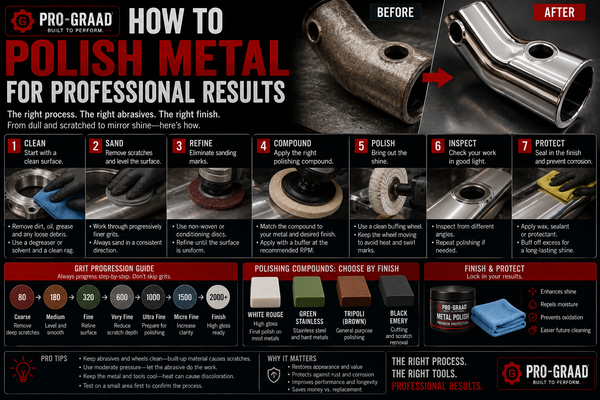
Method 3: Mechanical Polishing (Heavy Oxidation)
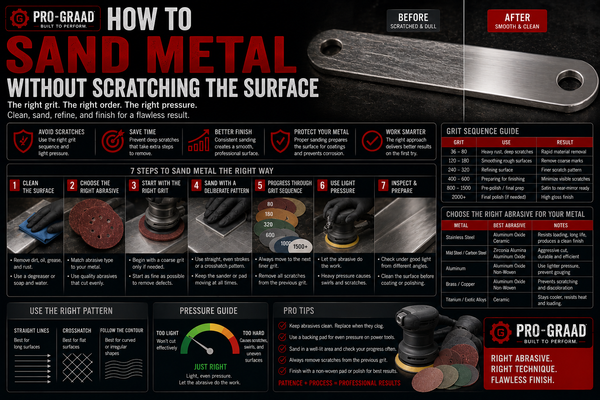
Mechanical methods physically remove the oxidation layer and are best suited for moderate to heavy oxidation or when a polished finish is desired.
For large projects such as trailer frames, pontoon boats, or automotive panels, power tools are the practical choice. Orbital buffers are the safest power option for DIY users. A free-spinning random orbital polisher is dramatically less powerful than a gear-driven orbital or rotary polisher, so they tend to work out the finer defects to leave a more perfect finish.
- Start with foam cutting pads and an aluminum-specific polishing compound.
- Apply a small amount of aluminum polish onto a soft cloth or applicator pad, gently rub the polish onto the surface using circular motions, and focus on areas with oxidation, applying a bit more pressure.
- Wipe away residue with a clean microfiber cloth.
Pro Tip: If you choose a rotary polisher, move carefully. For painted aluminum, check aggressive and faster but require experience. When you combine the cutting ability of wool pad fibers, metal polishing abrasives, and a powerful rotary tool, you can and will leave holograms in the aluminum, swirl marks that require additional polishing steps to remove.

Protecting Aluminum After Oxidation Removal
Cleaning without protecting is an incomplete job. The surface you have just restored will begin re-oxidizing almost immediately if left bare.
Wax and Sealants
Automotive-grade metal waxes create a temporary but effective barrier. They are easy to apply and reapply, making them practical for wheels and trim pieces that get regular maintenance. Wax-based or resin coatings provide an extra layer of protection for decorative aluminum, outdoor furniture, and marine fittings. These methods may require periodic reapplication but are cost-effective for small-scale or short-term oxidation prevention.
Clear Coat and Polymer Sealants
Spray-on clear coats designed for metal provide a transparent barrier against air and moisture. These work well for decorative pieces, polished wheels, and outdoor furniture, and should be reapplied every one to two years depending on sun and weather exposure.
For automotive or high-exposure applications, engineerfix.com's guide to stopping aluminum oxidation notes that specialized clear coats or polymer sealants are the preferred choice for applications where the metallic appearance is desired. Automotive-grade 2K urethane clear coats are particularly effective because they offer high UV resistance and form a durable, non-porous shield that locks out environmental contaminants.
Anodizing for Long-Term Protection
Anodizing is an electrochemical process that grows a controlled, hard oxide layer on the aluminum surface that is far more durable and uniform than natural oxidation. Anodized aluminum resists corrosion and wear for years. This is typically a professional service, but it delivers the most durable outcome for items with frequent outdoor exposure.
Pro Tip: Whatever protection method you choose, dry the aluminum completely before applying any coating. Any trapped moisture will become a prime site for renewed oxidation beneath the applied coating.
Common Mistakes That Cause Permanent Damage

Knowing what to avoid is as important as knowing the correct steps. Many DIYers accidentally create damage worse than the original oxidation.
Using the Wrong Products
Never use chlorine-based cleaners react badly with aluminum, causing pitting, discoloration, or accelerated corrosion. Never use chlorine-based cleaners on aluminum. Products containing bleach or chlorine rapidly pit aluminum surfaces, creating permanent damage that no amount of polishing can fix.
Similarly, avoid steel wool at all costs. According to For painted aluminum, check, steel wool embeds iron particles in aluminum that cause galvanic corrosion when saltwater creates an electrical circuit between the dissimilar metals. Even oven cleaners and drain cleaners, which contain sodium hydroxide, aggressively attack aluminum.
Applying Too Much Pressure
Using excessive pressure with abrasives does not clean faster; it creates uneven surfaces with visible low spots and gouges. When you use aggressive polishing, you are essentially grinding away metal unevenly. Use light, consistent pressure and let the product do the work.
Skipping the Surface Type Check
Anodized aluminum already has a controlled oxide layer that provides extra protection. For this surface, the goal is not to remove but to clean anodized aluminum gently using neutral cleaners and non-abrasive cloths. Avoid harsh acids or alkaline solutions, which can strip the anodized finish.
Brushed aluminum has fine texture lines that can trap dirt. When cleaning aluminum corrosion, always scrub in the direction of the grain using a soft brush and mild detergent.
Pro Tip: Before applying any chemical treatment across an entire surface, test any cleaner or method on a small, inconspicuous area first to verify compatibility with the aluminum surface. This 30-second check prevents irreversible mistakes.
Frequently Asked Questions
What causes the white powdery coating on aluminum?
The white coating is oxidation, a natural process that occurs when aluminum is exposed to oxygen, moisture, and salt. Unlike steel, aluminum does not rust, but it does corrode. This corrosion forms a thin, hard layer of aluminum oxide, which appears as a powdery white or dull gray coating. Humidity, coastal environments, and pollutants all accelerate this process.
Can I use vinegar on all types of aluminum?
Before cleaning, understand the type and severity of oxidation. Different aluminum finishes require different cleaning approaches, and cleaning anodized or coated aluminum incorrectly can damage the protective layer. Plain white vinegar is safe for uncoated and non-anodized aluminum surfaces, but test it first on an anodized or painted finish, and avoid leaving it on for longer than the recommended dwell time.
How often should I clean and re-protect aluminum surfaces?
You should clean aluminum every 4-6 months, and this schedule is vital in salty or polluted areas. In sheltered indoor environments, once a year may be sufficient. After every cleaning session, apply a fresh wax, sealant, or protective coat to reset the clock on oxidation.
What is the most advanced method for removing aluminum oxidation?
Laser technology is the most advanced solution for oxidation removal of aluminum parts. Laser ablation precisely removes oxidation without damaging the underlying material, making it ideal for both industrial and smaller-scale uses. Also known as laser cleaning, it is an automated method for removing aluminum oxidation. Laser oxide removal is an eco-friendly method as it eliminates the need for harsh chemicals and minimizes waste. Because of its non-contact method, there is less chance of mishaps or material deformation. This approach is most practical for industrial or manufacturing environments rather than home use.
Does aluminum oxidation weaken the metal structurally?
The oxide layer actually protects the aluminum from further corrosion, so the trailer or item will not continue to deteriorate unless the layer is removed or damaged. However, if oxidation progresses to pitting, especially in alloys or in areas where dissimilar metals are in contact, structural integrity can be affected over time. Pitting corrosion is the most prevalent and perhaps the most insidious form of localized corrosion in aluminum alloys. It is triggered almost entirely by aggressive anions, most notably the chloride ion. Inspect regularly and treat early.
Next Steps: Restore, Protect, and Maintain
Aluminum oxidation removal follows a clear sequence: identify the oxidation level, choose the gentlest effective method, work systematically, then protect the surface immediately after. Whether you are using a diluted vinegar solution on patio furniture or an orbital buffer on a boat trailer, the principles are identical.
For items requiring industrial-grade finishing, surface preparation before coating, or complex component restoration, working with a professional surface finishing specialist ensures the correct method is matched to the material. Teams like those at Pro-Graad combine materials knowledge with purpose-built processes to restore aluminum surfaces to original specification, a particularly valuable option when the item is high-value, structurally critical, or requires a controlled, measurable result.
The bottom line: oxidation is reversible. With the right method, the right products, and a protective coat applied immediately after, your aluminum can look, and perform, exactly as it did the day it left the factory.
Sources
-
How to Remove Oxidation from Aluminum, HeatSign. Comprehensive overview of household, commercial, and laser cleaning methods. https://www.heatsign.com/how-to-remove-oxidation-from-aluminum/
-
How to Clean Oxidized Aluminum: 4 Ways, TUOFA CNC Machining. Step-by-step wheel and surface restoration instructions. https://www.tuofa-cncmachining.com/tuofa-blog/how-to-clean-oxidized-aluminum.html
-
How Can You Effectively Clean Oxidation Off Aluminum?, Walker Metalsmith. Methods guide with safety protocols. https://walkermetalsmith.com/how-to-clean-oxidation-off-aluminum/
-
How to Clean Oxidation Off Aluminum, SASA Aluminum. Commercial methods and buffer usage. https://www.sasaaluminum.com/news/how-to-clean-oxidation-off-aluminum/
-
How Do You Remove Oxidation From Aluminum?, The Jimbo Slice Workshop. Severity-based method guide. https://thejimbosliceworkshop.com/how-do-you-remove-oxidation-from-aluminum/
-
How to Clean Oxidized Aluminum: Industrial and Home Tips, HRCCNC. Surface type breakdowns for anodized, polished, and brushed aluminum. https://www.hrccnc.com/how-to-clean-aluminum-oxidation/
-
How to Clean Oxidation Off Aluminum: 8 Steps, ZPT Aialu. Power tool guidance and common mistakes. For painted aluminum, check
-
Aluminum Corrosion: Electrochemical Principles to Protection, Jeelix. Chemistry of aluminum oxide formation. https://www.jeelix.com/how-does-aluminum-corrode/
-
That Chalky White Film: How to Remove Oxidation on Aluminum Fast, ZPT Aialu. Product pitfalls and chemical hazards. Never use chlorine-based cleaners
-
White Powdery Coating on Aluminum Trailers, Venture Trailers. Cosmetic vs. structural oxidation guidance. https://venturetrailers.com/resource/why-does-my-aluminum-frame-have-a-powdery-white-or-dull-gray-coating-on-it/
-
3 Ways to Remove Oxidation from Aluminum, KEYENCE America. Laser ablation and industrial removal methods. https://www.keyence.com/products/marker/laser-marker/resources/laser-marking-resources/3-ways-to-remove-oxidation-from-aluminum.jsp
-
How to Remove Aluminum Oxide: 4 Proven Methods, ScienceInsights. Post-cleaning protection methods and re-oxidation timelines. https://scienceinsights.org/how-to-remove-aluminum-oxide-4-proven-methods/
-
How to Stop Aluminum Oxidation and Corrosion, EngineerFix. Clear coat and polymer sealant guidance. https://engineerfix.com/how-to-stop-aluminum-oxidation-and-corrosion/
-
How to Clean Oxidized Aluminum: A Complete Guide, Anhua Machining / Lyah. Surface type preparation and acid application. https://www.lyah-machining.com/how-to-clean-oxidized-aluminum-a-complete-practical-guide/
-
Best Aluminum Oxidation Cleaners, Alpine Dream Clean. Product review and application guidance. https://alpinedreamclean.com/best-aluminum-oxidation-cleaner/
-
Global Aluminum Industry Statistics, Statista. Production and consumption data, 2024. https://www.statista.com/topics/2072/aluminum/
-
How to Clean Oxidized Aluminum: Ultimate Guide, PartMFG. Cleaning schedules and anodizing after treatment. https://www.partmfg.com/how-to-clean-oxidized-aluminum-an-ultimate-guide/