Abrasive Belts Keep Production Lines Moving Smoothly
Every manager who has watched a production line grind to a halt over a worn-out abrasive belt understands the real cost of getting consumables wrong. The global abrasive belts market was valued at $3.8 billion in 2025 and is projected to reach $6.1 billion by 2034, expanding at a CAGR of 5.4%, a clear signal that industry after industry is doubling down on surface finishing as a competitive advantage. Choose the wrong belt, run it past its useful life, or ignore grit selection, and throughput suffers in ways that go straight to the bottom line. This guide walks through everything a general reader needs to understand about abrasive belts: what they are, how to choose them, how to keep them alive longer, and what the latest technology means for production floors of all sizes.

Key Takeaways
-
Grain type is the single biggest performance lever: Ceramic abrasives provide the longest life and fastest cut rate out of any other type of abrasive grain, making them worth the higher upfront price for high-volume work. If your current belts are wearing out in under a shift, switch to ceramic or zirconia before spending on anything else.
-
The abrasive belts market is driven by automation: The rise of automation and Industry 4.0 is a pivotal factor in the abrasive belt market. As factories become smarter and more interconnected, the need for precise and reliable abrasive solutions intensifies, and automated systems require consistent performance from abrasive belts to maintain productivity standards. If your facility is investing in robotics, budget for premium belts alongside the machines.
-
Ceramic belts are the fastest-growing segment for a reason: The global abrasive belts market approximately 23.4% volume share in 2025 but are the fastest-growing type segment with an expected CAGR of 7.8% through 2034. Ceramic belts employ sol-gel alumina ceramic grains that fracture predictably under grinding pressure to continuously expose sharp new cutting surfaces, resulting in dramatically extended belt life. Facilities still running aluminum oxide on all tasks should audit their process before year-end.
-
Belt selection errors double operational cost: A belt that wears out twice as fast or clogs more frequently can double your operational cost. Always evaluate total cost of ownership, not just sticker price.
-
IoT-enabled belt monitoring is reducing unplanned downtime: Further opportunities lie in digitalization and connected manufacturing. The integration of abrasive belt performance monitoring sensors with industrial IoT platforms is enabling predictive maintenance and optimal belt replacement scheduling, reducing downtime and abrasive cost-per-part for large industrial users.
Quick-Start Prioritization Framework
| Belt Type | Best For | Effort to Switch | Time to See Results |
|---|---|---|---|
| Aluminum Oxide | General wood, soft metals, light-duty | Low | Immediate |
| Zirconia Alumina | Heavy steel fabrication, high-pressure grinding | Low | Within one shift |
| Ceramic | High-volume automated lines, stainless steel, titanium | Medium | 1-2 weeks |
| Silicon Carbide | Glass, ceramics, non-ferrous metals | Low | Immediate |
| Non-woven | Conditioning, deburring, finishing passes | Low | Immediate |
Start here if you're:
- Running a small shop on a tight budget: Aluminum oxide, economical, versatile, and available in every grit range for wood and general metal.
- Running a steel fabrication operation: Zirconia alumina, delivers the high-pressure performance and heat resistance your work demands without the full ceramic price premium.
- Managing an automated or high-volume production line: Ceramic, the self-sharpening grain structure pays back its premium many times over in reduced changeover time.
What Abrasive Belts Actually Are (and Why It Matters)
The Basic Anatomy
The abrasive belt market constitutes a critical segment within the broader industrial abrasives landscape, serving as a fundamental component in surface finishing, material removal, and precision grinding across diverse manufacturing sectors. These belts, composed of abrasive grains bonded to flexible backing materials, are engineered to facilitate high-efficiency material processing, enabling manufacturers to achieve desired surface qualities with minimal waste and optimal throughput.
In practice, every abrasive belt has three parts working together: the backing, the bond, and the grain. An abrasive grain is attached to the backing material, cloth, paper, cotton, or polyester, held on with a bonding agent such as glue or resin. Each layer matters. A grain that outlasts its bond is wasted; a backing that tears before the grain wears wastes both materials and machine time.
Backing Material Options
There are three categories of abrasive belts: narrow belts for bench sanders or backstand grinders, portable or file belts for use on small handheld power tools, and wide belts for sanding or finishing large flat surfaces and for abrasive planing or lumber dimensioning.
Cloth backing consists of a woven fabric such as cotton and is suited for aggressive applications such as abrasive planing. Film backing uses abrasive grains on plastic film, while foam and sponge backing uses abrasive grains bonded onto a foam layer, sponge, felt, or other soft, resilient materials. As a rule of thumb: choose cloth for heavy machine work, film for precision finishing, and paper for fine grits above 150 where cost-efficiency matters more than raw durability.
Pro Tip: In metalworking environments, always specify cloth-backed belts for primary grinding passes. Cloth handles heat and pressure far better than paper, and the extra durability more than offsets the slightly higher cost per unit.
The Four Main Grain Types Explained
Understanding grain types is where most buyers make or lose significant money. The wrong grain on the right machine still produces poor results and high costs.

Aluminum Oxide, The Everyday Workhorse
Aluminum oxide works well on hard and soft woods, non-ferrous metals like aluminum, and even on some grades of steel. Aluminum oxide is the most common and less costly abrasive grain utilized for large-scale metal and woodworking applications. For facilities that work across a range of materials without needing peak performance on any single one, aluminum oxide delivers reliable results at a price that makes stocking easy.
Zirconia Alumina, Built for Pressure
Made by die-casting, zirconia grain has a high heat resistance and is substantially stronger than aluminum oxide abrasives, which makes it a good choice for high-pressure grinding and machining applications. Zirconia is a tough abrasive designed for high pressure and heat. It is self-fracturing, meaning it maintains cutting power longer than aluminum oxide. Facilities switching from aluminum oxide to zirconia for deburring steel parts under heavy load have seen real gains. A mid-sized automotive parts factory in Ohio reported a 20% reduction in total grinding time when switching from aluminum oxide to zirconia belts for deburring steel transmission parts under high load, which directly translates to more parts per shift.
Ceramic, The High-Performance Option
Ceramic sanding belts are making a significant impact on the quality and efficiency of metal grinding applications. They are very popular in the knife industry for finishing high carbon steel. Ceramic abrasives provide the longest life and fastest cut rate out of any other type of abrasive grain. The performance advantage is structural. The global abrasive belts market alumina ceramic grains that fracture predictably under grinding pressure to continuously expose sharp new cutting surfaces, resulting in dramatically extended belt life and superior material removal rates compared to conventional abrasives.
In the metalworking sector, the adoption of ceramic belts has been shown to reduce processing times by up to 30%, thereby enhancing overall productivity. If your lines are producing at high volume, a 30% reduction in processing time is a competitive advantage, not a marginal improvement.
Silicon Carbide, The Specialist
Silicon carbide abrasive belts are known for their sharpness and hardness and excel in grinding harder materials like glass, ceramics, and stone. They also perform well on non-ferrous metals and wet sanding applications. Silicon carbide is a specialist choice, reach for it when the material demands it, not as a default.
How to Match Grit to the Job
Getting grit selection right is as important as getting grain type right. The two decisions work together.
Understanding the Grit Scale
Grit size determines aggressiveness: lower numbers mean coarser grits (faster removal, rougher finish), while higher numbers mean finer grits (smoother, less removal).
Types of grinding and grit ranges include: roughing at 36 to 80 grit, intermediate at 80 to 180 grit, and finishing at 220 grit and above.
The practical rule is to start coarser than you think you need, then step up. You will likely have to use a number of different grits when working on a job, starting with a lower-grade grit before working your way through to super-fine pieces as you progress through the task. When you move to a higher grit, you remove the scuffs and scratches left behind from the previous layer.
Matching Belt Width to the Work
Belt width is an essential, yet often overlooked, element of proper grinding methods. If your machine belt width is too narrow for your material piece, you run the risk of only being able to grind in a restricted pattern, extending needed grind time, wearing your belt out faster, and making the grinding process more difficult. Always measure your workpiece before specifying belt dimensions.
Pro Tip: When running multi-step finishing sequences, don't skip grits by more than one increment. Jumping from 60 to 220 grit in a single pass forces the finer belt to do corrective work it was never designed for, burning through belts quickly and leaving an uneven surface.
Where Abrasive Belts Are Used Across Industries
The global abrasive belts market for abrasive belts is approximately 38.6% share in 2025, encompassing grinding, deburring, and finishing of industrial machinery components, structural steel, and fabricated metal parts. Automation adoption in manufacturing lines drives consistent high-volume abrasive belt demand.
Metalworking
Abrasive belts find applications in metalworking for deburring sharp edges, surface preparation before coating or welding, stock removal to achieve desired dimensions, and finishing to refine surface textures. For stainless steel and titanium in particular, zirconia and ceramic belts are the standard choice because the materials generate high heat during grinding.
Woodworking and Furniture
In woodworking, abrasive belts are essential for dimensioning wooden pieces by removing excess material, sanding surfaces to eliminate imperfections, and edge sanding for smooth finishes. Wide-belt sanders, used in furniture manufacturing and panel processing, can use belts that are many feet wide to sand entire sheets of material at once. Aluminum oxide remains the default here, with zirconia used for harder species and more aggressive mill work.
Automotive and Aerospace
In automotive applications abrasive belts are employed in refinishing processes to remove old paint or rust from vehicle surfaces while preparing them for new coatings. In aerospace, they are used for precision grinding of components to meet strict tolerances required in aerospace applications. The global abrasive belts market post-pandemic recovery, with commercial aircraft deliveries from Boeing and Airbus ramping back toward pre-2020 levels, has reinvigorated demand for precision abrasive solutions used in fuselage and engine component finishing.

Maximizing Belt Life on the Production Floor
I've found that most facilities leave significant belt life on the table simply through preventable operational habits. Choosing the right belt is only half the job, running it correctly is the other half.
Cleaning and Loading Prevention
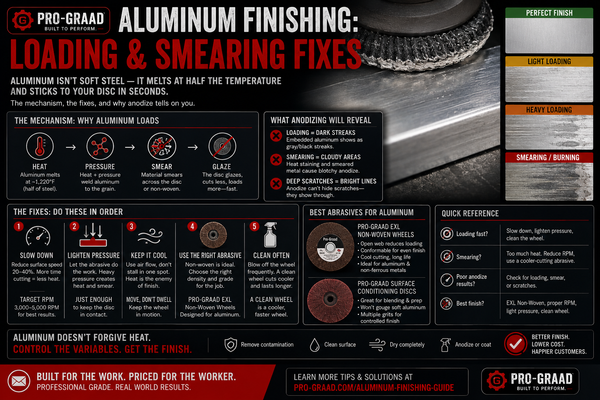
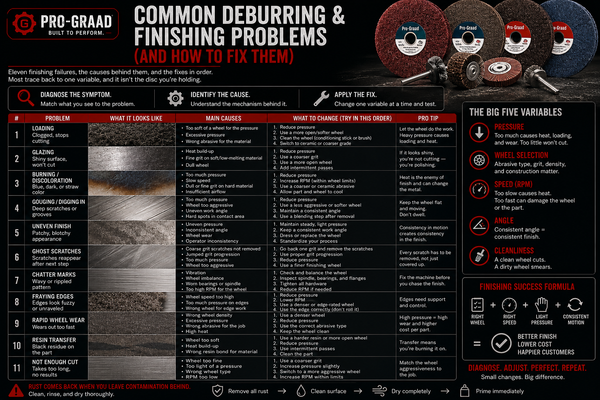
One of the most overlooked yet effective ways to extend belt life is through regular cleaning. Debris, resin build-up, and metal filings, also known as loading, reduce cutting efficiency and cause heat build-up. The best and easiest belt sander cleaner is an abrasive cleaning stick. An abrasive cleaning stick is a rubberized stick you hold against a sanding belt as it is running through the sander. Cleaning sticks work on wood, paint, and wood finish residue, along with metal shavings and other materials that commonly clog sanding belts.
Tension and Tracking
Proper tension is the unsung hero of abrasive performance. Running a belt too loose can lead to slipping and excessive heat buildup, which can glaze the abrasive grain and ruin the belt long before its time. Conversely, over-tensioning puts unnecessary strain on your machine's bearings and can cause the belt to stretch or even snap under load.
In my experience, tension-related failures account for a disproportionate share of premature belt failures on production floors that haven't been audited recently. Check tension settings against manufacturer specs every quarter.
Pressure and Speed
Speed and pressure are critical factors in determining how efficiently an abrasive belt performs and how quickly it wears out. Too much pressure can cause excessive heat, glazing, and grain shedding. Too little pressure can result in inefficient cutting and belt loading.
Maintaining moderate, consistent pressure prevents overheating and premature grain shedding. Proper belt tracking ensures even wear across the surface, while staging belts from roughing to finishing reduces burnout in finer grits.
Belt Rotation Strategy
Many industrial facilities rely heavily on a small set of abrasive belts that do not rotate, leading to uneven wear. Implementing a belt rotation strategy ensures belts wear evenly and can be used to their full potential.
Pro Tip: Assign each production belt a marked start date and a target number of operational hours based on manufacturer recommendations. Rotating belts on a schedule, rather than waiting for visible failure, dramatically reduces emergency changeovers and keeps surface finish quality consistent across production runs.
Common Abrasive Belt Mistakes That Slow Production Lines
In practice, the same errors show up again and again across manufacturing environments of every scale.
Mistake 1, Choosing on Price Alone
Avoid the trap of choosing belts based solely on price. A belt that wears out twice as fast or clogs more frequently can double your operational cost. A supplier like Pro-Graad helps buyers evaluate total cost of ownership rather than just unit price, which is where the real savings live.
Mistake 2, Using the Wrong Grain for the Material
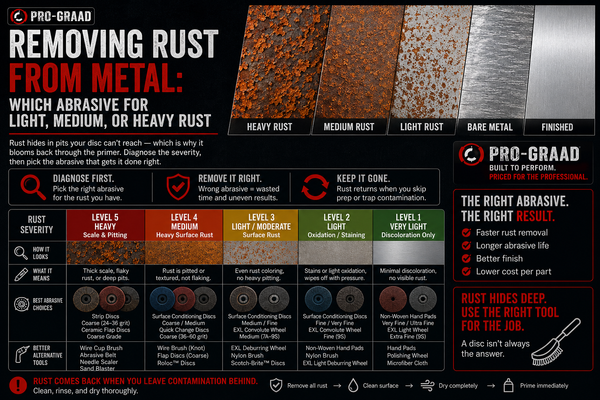
Using the wrong type of belt for your application, such as using an aluminum oxide belt on hardened steel, will lead to premature belt failure. Match the grain to the material hardness and the grinding pressure your process requires.
Mistake 3, Ignoring Joint Quality
The durability of abrasive belts often depends on the quality of their joints. New and improved joint technologies, such as precision butt joints and lap joints, enhance belt longevity and reliability. These joints withstand high-speed operations and maintain consistent performance. Always verify joint specifications when sourcing, particularly for high-speed automated applications.
Mistake 4, Poor Storage
Abrasive belts absorb moisture from the environment, which weakens the bond between grain and backing. Store belts horizontally in a climate-controlled space away from direct sunlight, and rotate stock so older inventory is used first. After years of working with facility managers, I've seen this single habit cut unexpected belt failures by a meaningful margin.
Pro Tip: Never store abrasive belts vertically for extended periods. The weight of the roll can deform the backing at the contact point, creating a flat spot that causes inconsistent cut and tracking problems the moment the belt goes onto a machine.
Frequently Asked Questions
What is the difference between open-coat and closed-coat abrasive belts?
Open-coat belts have abrasive grains covering roughly 50 to 70 percent of the backing surface, leaving gaps that allow material to escape rather than loading the belt. They are ideal for soft materials like wood, aluminum, and composites. Closed-coat belts cover the full backing surface and deliver more aggressive cutting on harder materials. Choosing the wrong coat style is one of the fastest ways to clog a belt and shorten its life.
How do I know when an abrasive belt needs to be replaced?
Watch for three signals: a noticeable drop in material removal rate, a change in surface finish quality (usually the appearance of deeper or more irregular scratches), and visible glazing of the grain surface. Belt lifespan refers to the usable service life of an abrasive belt before performance declines due to wear, heat, loading, or resin breakdown. If cleaning the belt does not restore its cut rate, it is time to replace it.
Can robotic grinding systems extend abrasive belt life?
Robots apply steady pressure and maintain consistent contact angles. This promotes even wear and can extend abrasive life by 200 to 300 percent compared to manual operations. If your facility is evaluating automation, reduced abrasive consumption is a measurable cost benefit that belongs in the business case.
What is the best abrasive belt for stainless steel?
For stainless steel, zirconia or ceramic is the way to go. Zirconia handles heavy stock removal well, while ceramic is the better choice for sustained high-volume finishing where belt life matters most. Both grain types resist the heat that stainless steel generates better than aluminum oxide.
How does grit sequence affect surface finish quality?
Using a progressive grit sequence, moving from coarse to fine in measured steps, removes the scratches left by each preceding grit before adding a finer surface texture. Choosing the right sanding belts involves understanding the abrasive material type, the grit size from coarse for stock removal to very fine for finishing, the belt backing material, and considering features like splice type and anti-clogging coatings, all matched to the specific application and material being sanded. Skipping grits forces finer belts to do corrective work, burning through them faster and leaving a less consistent finish.
The Bottom Line
Abrasive belts are a small line item in most procurement budgets, but their influence on production line performance is disproportionate to their cost. Abrasive belts are best used on large surface areas because they offer a quick, even covering for high-volume and continuous operations. Because of their durability, they deliver very reliable results over time, reducing downtime and maintenance costs for industrial environments.
The decision framework is straightforward: match grain type to material hardness and grinding pressure, select backing to suit the machine and application, use grit sequences rather than jumps, and maintain belts proactively rather than reactively. Extending the lifespan of your abrasive belts supports consistency, efficiency, and quality in every application. From choosing the right belt type and using proper tension to routine cleaning and thoughtful storage, every small step contributes to longer-lasting performance.
For facilities looking for a reliable source of industrial abrasive belts across grain types and grit ranges, Pro-Graad offers a broad product range with the application expertise to help match the right belt to the right job, so production lines keep moving smoothly.
Sources
-
Global Abrasive Belts Market Report, DataIntelo. Market size, segmentation, and growth forecast through 2034. The global abrasive belts market
-
Abrasive Belt Market Size, Share, Growth, Verified Market Reports. Market valuation, CAGR projections, and innovation drivers. https://www.verifiedmarketreports.com/product/abrasive-belt-market/
-
Abrasive Belts Sales Market Forecast 2025-2035, Core Market Research. Market growth and automation drivers. https://coremarketresearch.com/report/abrasive-belts-sales
-
Coated Abrasive Market, MarketsandMarkets. Belt type market share and performance data. https://www.marketsandmarkets.com/PressReleases/coated-abrasive.asp
-
Worldwide Abrasive Belt Market Research Report, PW Consulting. Ceramic and zirconia technology impact analysis. https://pmarketresearch.com/product/worldwide-abrasive-belt-market-research-2024-by-type-application-participants-and-countries-forecast-to-2030/
-
Ceramic vs. Zirconia: Which Is Better?, Red Label Abrasives. Grain performance comparison. https://www.redlabelabrasives.com/blogs/news/ceramic-vs-zirconia-which-is-better
-
Ceramic vs Zirconia vs Aluminum Oxide Abrasive Belts, YingWANG Abrasive. Application selection guide. Ceramic vs Zirconia vs Aluminum Oxide Abrasive Comparison
-
How to Extend the Lifespan of Your Abrasive Belts, JSH Abrasive. Maintenance and belt rotation best practices. https://www.jsh-abrasive.com/article/how-to-extend-the-lifespan-of-your-abrasive-belts.html
-
Abrasive Belt Grinding: Choosing the Right Belt, Grit, and SFPM, Burr King. Grit ranges and application matching. https://burrking.com/abrasive-belt-grinding-choosing-the-right-belt-grit-and-sfpm-for-optimal-results/
-
Troubleshooting Belt Performance, Abrasive Industrial Supplies. Tension and tracking guidance. https://www.abrasiveindustrialsupplies.com/blogs/news/troubleshooting-belt-performance
-
Robotic Grinding Costs Breakdown, PushCorp. Automation and abrasive life extension data. https://pushcorp.com/blog/robotic-grinding-costs/
-
Understanding Abrasive Belts: Types, Uses, and Best Practices, JSH Abrasive. Industry application overview. https://www.jsh-abrasive.com/article/understanding-abrasive-belts-types-uses-and-best-practices.html
-
Abrasive Belts Selection Guide, GlobalSpec. Backing types and technical specifications. Cloth backing consists of a woven
-
Maximizing Abrasive Belt and Disc Lifespan, Metsuco. Pressure, tracking, and loading guidance. https://metsuco.com/maximizing-abrasive-belt-and-disc-lifespan/
-
Choosing the Right Sanding Belts, Novogrit Abrasive. Grit sequence and material matching. https://novogrit.com/choosing-the-right-sanding-belts-abrasives-grits-and-sizes-explained/
-
Decoding Coated Abrasives: A Guide to Selecting the Ideal Sandpaper, Uneeda/Sandpaper.com. Backing material selection guide. https://www.sandpaper.com/articles/guide-to-selecting-the-ideal-sandpaper-part-1/
-
Top Industrial Abrasive Belts Manufacturers: How to Choose, JSH Abrasive. Supplier evaluation criteria. https://www.jsh-abrasive.com/article/top-industrial-abrasive-belts-manufacturers-how-to-choose.html